US-Iran talks signal historic diplomatic shift
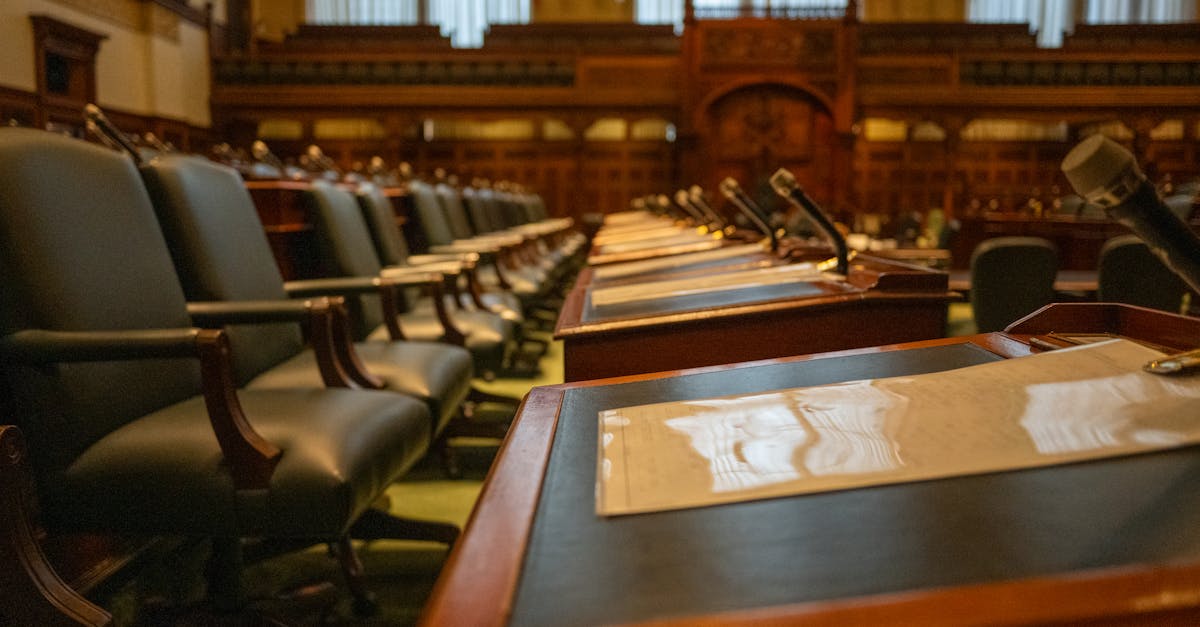
Face-to-face negotiations between US and Iranian officials represent the highest-level engagement between the two nations since Iran's 1979 Islamic Revolution. The talks aim to bridge decades of mutual distrust and address critical regional security concerns.
PoliitikaDirect diplomatic engagement between Washington and Tehran would mark an unprecedented moment in relations stretching back over four decades. Such high-level talks have been rare since the Iranian Revolution fundamentally reshaped bilateral ties, with most communication occurring through indirect channels or multilateral frameworks.
The proposed negotiations carry significant weight beyond the two nations involved. Iran's regional influence across the Middle East, its nuclear program, and US strategic interests in the Gulf make these discussions relevant to international stability and broader geopolitical balances. Both sides face the challenge of overcoming deep-seated suspicions accumulated over decades of confrontation.
Historical animosity between the countries has created substantial obstacles to productive dialogue. Previous attempts at engagement, including the 2015 nuclear agreement followed by its subsequent withdrawal, demonstrate the volatility of US-Iran relations and the difficulty of sustaining agreements across different administrations. Trust-building remains the fundamental prerequisite for any meaningful diplomatic progress.
The timing and format of these talks suggest a potential shift in diplomatic strategy from both parties. Whether such engagement can yield concrete results on contentious issues—from nuclear policy to regional proxy conflicts—depends on genuine willingness from leadership on both sides to compromise. International observers will closely monitor whether this represents a genuine opening or merely a temporary diplomatic gesture.