10 must-visit destinations across Estonia beyond Tallinn
Estonia has far more to offer than its medieval capital. From the pristine bogs of Lahemaa to the UNESCO-listed culture of Kihnu island, the country is packed with natural and historical gems. Here are ten destinations that every traveller to Estonia should put on their list.
CultureEstonia is much more than its capital Tallinn and the famous medieval old town. This compact but remarkably diverse country conceals untouched nature, historic manor houses, mystical bogs, and tranquil islands, all waiting to be explored.
Lahemaa, Estonia's natural crown jewel
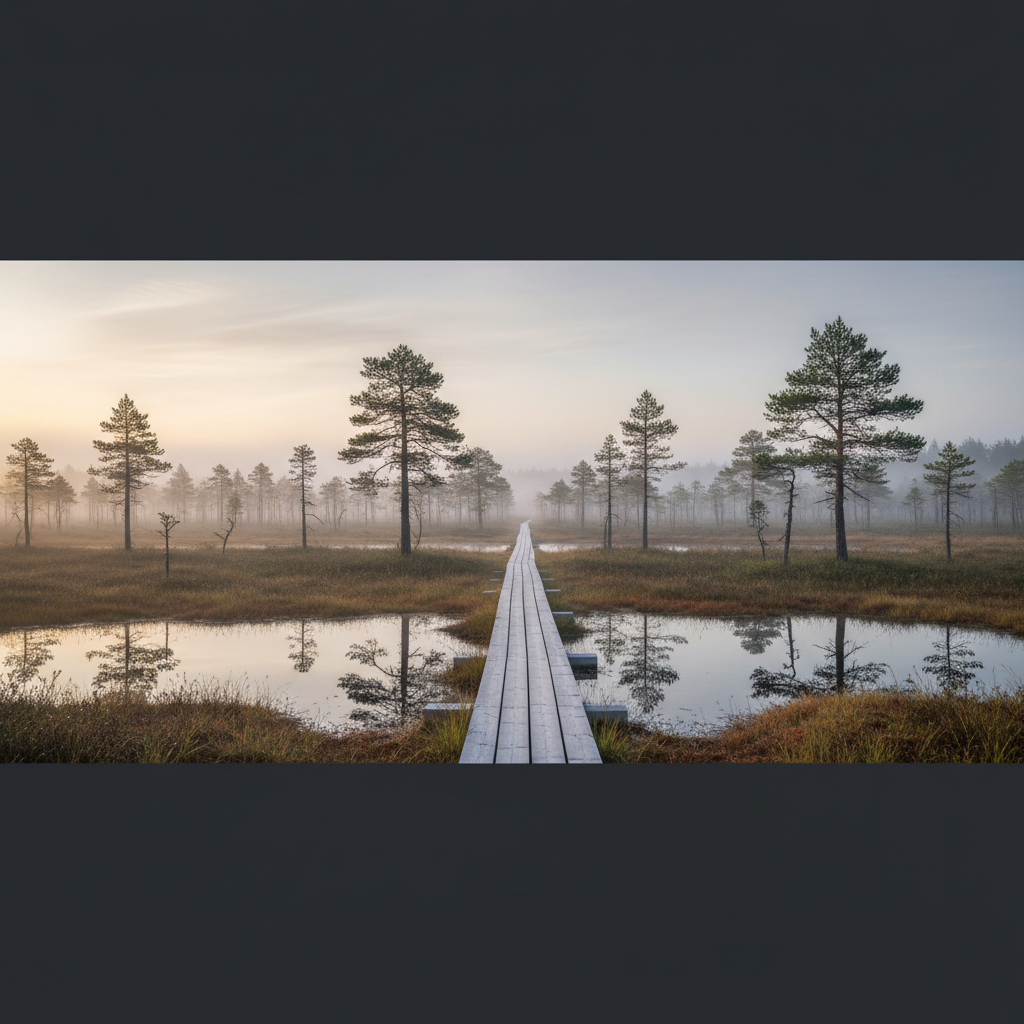
Lahemaa National Park, located just a short drive from Tallinn, is Estonia's largest and oldest national park. Visitors can experience coastal cliffs, lush forests, beautiful manor complexes, and authentic fishing villages all in one place. The Viru bog trail, a wooden boardwalk leading into the heart of the wetland landscape, is a highlight not to be missed. The manors of Sagadi, Palmse, and Vihula offer a glimpse into the lives of Estonia's Baltic-German nobility.
Saaremaa and Hiiumaa, island escapes
Estonia's largest island, Saaremaa, is known for its windmills, juniper landscapes, and slow pace of life. The Kuressaare Episcopal Castle is one of the best-preserved medieval fortresses in the entire Baltic region. Nearby, the Kaali meteorite crater is one of Europe's most extraordinary natural phenomena.
For those seeking true seclusion, Hiiumaa is the answer. The island is famous for its lighthouses, particularly the Kõpu lighthouse, one of the oldest continuously operating lighthouses in the world. Miles of empty sandy beaches and dense pine forests make it a paradise for hikers.
Tartu, Viljandi and Soomaa
University town Tartu is Estonia's intellectual heartbeat. Toome Hill with its romantic ruins and bridges, and the Estonian National Museum (ERM), one of Europe's most modern museum buildings, are unmissable. The colourful old town and its cosy cafés complete the atmosphere.
Soomaa National Park is famous for its so-called "fifth season", the spring flood, when water covers forests and roads, turning the region into a vast water world. Canoeing through flooded forests and spotting beaver activity makes for an unforgettable experience.
Viljandi, with its castle hill ruins and scenic lake, hosts the beloved Viljandi Folk Music Festival each summer, drawing thousands of music lovers. Outside of festival season, the town is quiet and romantic, with well-preserved streets and a relaxed cultural scene.
History along the borders
Narva, on Estonia's eastern border, is a city where history and cultures intertwine. The Hermann Castle stands directly across the Narva River from Russia's Ivangorod Fortress, creating a dramatic visual contrast that speaks to centuries of complex history. The ruins of the Kreenholm textile manufactory nearby tell the story of Estonia's industrial revolution era.
Along the western shore of Lake Peipus, Old Believer communities have maintained their traditions, faith, and way of life for centuries. Villages like Kolkja, Varnja, and Kasepää are known for their hospitality, colourful wooden architecture, and locally grown onions cultivated using traditional methods.
Kihnu and Rummu, unique cultural sites
Kihnu island is listed on UNESCO's Intangible Cultural Heritage list for its unique living culture. Women on the island still wear traditional folk costumes and keep old songs and dance traditions alive. Renting a bicycle is the best way to explore the island's coastal village atmosphere.
Rummu quarry lake, once a Soviet-era prison and mining site, has been transformed into a popular leisure destination. The clear water hides submerged buildings beneath its surface, making it a magnet for divers and snorkellers.
Practical tips for travellers
Estonia is compact but distances can still take time. Public transport works well between major towns, but a rental car is strongly recommended for visiting national parks and islands. Ferries to Saaremaa and Hiiumaa run regularly, booking tickets online in advance is highly advisable, especially in summer.
Estonia's digital infrastructure means internet connectivity is available almost everywhere, even in the middle of a forest. The RMK (State Forest Management Centre) website is the go-to resource for up-to-date information on hiking trails, campfire sites, and nature cottages.
Whether you come for the summer festivals, autumn foliage, or winter ice roads between islands, an experience found almost nowhere else in Europe, Estonia rewards every type of traveller at every time of year.
Open in app →