106 Years Ago, the Constituent Assembly Adopted Estonia's First Constitution
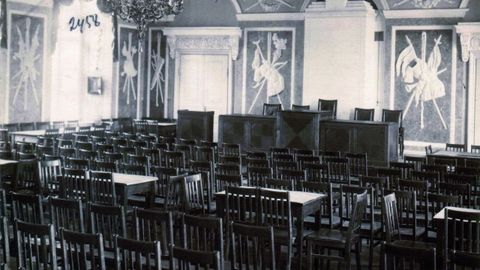
On 15 June 1920, Estonia's Constituent Assembly voted to adopt the country's first constitution in Toompea Castle, with 95 out of 120 delegates voting in favour. The document, which enshrined popular sovereignty and civic freedoms, was created immediately after the War of Independence and was one of the most democratic constitutions in the world at that time.
EstoniaOn 15 June 1920, Estonia reached a pivotal moment in its history: the Constituent Assembly voted to adopt the nation's first constitution in Toompea Castle. Of 120 delegates, 95 supported it, ending a lengthy process of debate and review.
Thorough Work Before the Final Vote
The draft constitution reached the Constituent Assembly's plenary session in late May 1920 and was debated across seven sittings. The first reading was completed on 27 May, after which the draft was examined paragraph by paragraph in the second and third readings. Newspapers of the time believed that adoption of the document would stretch into July or even autumn, but the process moved faster. The draft was finally adopted on 15 June following the third reading.
Among the minority communities, the Constituent Assembly's German group participated actively in the discussions. Major newspapers published the draft or detailed summaries of it, allowing the broader public to familiarize themselves with the constitution's contents.
Key Amendments and Disputes
Since major constitutional questions had largely been debated in earlier committee work, the plenary readings did not bring about any significant substantive changes. The more important provisions finalized concerned the prohibition of corporal and capital punishment, the right to strike, mother-tongue education for minorities, and the ban on confiscation of a citizen's entire property.
The plenary debates in the White Hall were more ideological than legal in nature. Party groups did not impose voting instructions on their members, allowing each delegate to follow their own conscience. Disagreements often arose even among delegates from the same party.
Cornerstone of Democracy
The 1920 constitution was exceptional for its time in its strong parliamentary character. Supreme power belonged to the people and was exercised through parliament. Executive power was deliberately kept weak to prevent the emergence of authoritarian rule, reflecting the prevailing confidence in parliamentary democracy. The constitution also emphasized citizens' fundamental rights and freedoms, which held extraordinary significance for the newly independent nation.
The constitution entered into force on 21 December 1920, when the Constituent Assembly was replaced by the first session of the Riigikogu.
Open in app →