3D technology reveals tyrannosaurus cannibalism secrets
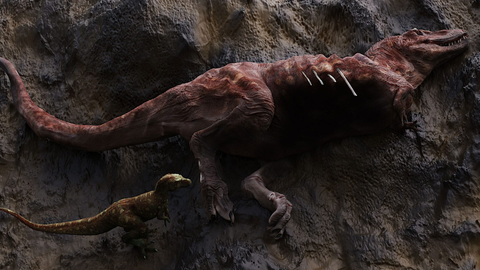
A new study uses 3D technology to analyze bite marks on tyrannosaurus fossils. The results suggest that fearsome apex predators may have eaten their own species. Small bite marks prove to be surprisingly revealing evidence millions of years later.
TechnologyTyrannosaurus rex is one of the most famous and fearsome dinosaurs in the history of paleontology, but a new scientific study casts doubt on what we actually know about its feeding habits. Using 3D scanning technology, scientists have been able to read bite marks from fossils that have been preserved for tens of millions of years.
Bite marks tell ancient stories
At the center of the study is a tyrannosaurus leg bone that bears marks left by another tyrannosaurus's teeth. Using three-dimensional scanning and digital analysis, scientists were able to identify the size, shape, and position of the teeth, and these clearly point to a member of the same species, not some other dinosaur species.
Such bite marks differ significantly from those left by other predators. 3D technology allows measurement of microscopic details that are nearly invisible to the naked eye, and comparison of these with known bite patterns of different species.
Cannibalism or scavenging?
Scientists are cautious in drawing conclusions. Bite marks on bone do not in themselves prove that tyrannosauruses actively hunted their own species; they could also have occurred when an animal fed on an already dead member of its species. Both scenarios are known in the animal world.
Nevertheless, the finding significantly expands our understanding of the tyrannosaurus diet. Until now, they have been portrayed primarily as hunters of other dinosaurs, but now it appears that their eating habits may have been much more diverse and complex.
What does this mean for paleontology?
The application of 3D technology to the study of fossils opens new possibilities across the entire field. Digital analysis allows scientists to examine finds without physically damaging them and to share data with other researchers around the world.
Tyrannosaurus behavior remains an active area of research, and questions about their sociality, hunting strategies, and feeding habits are far from exhausted. Every new fossil and every new analytical method adds new details to this picture.
Open in app →