7 must-see spots in Tartu this summer
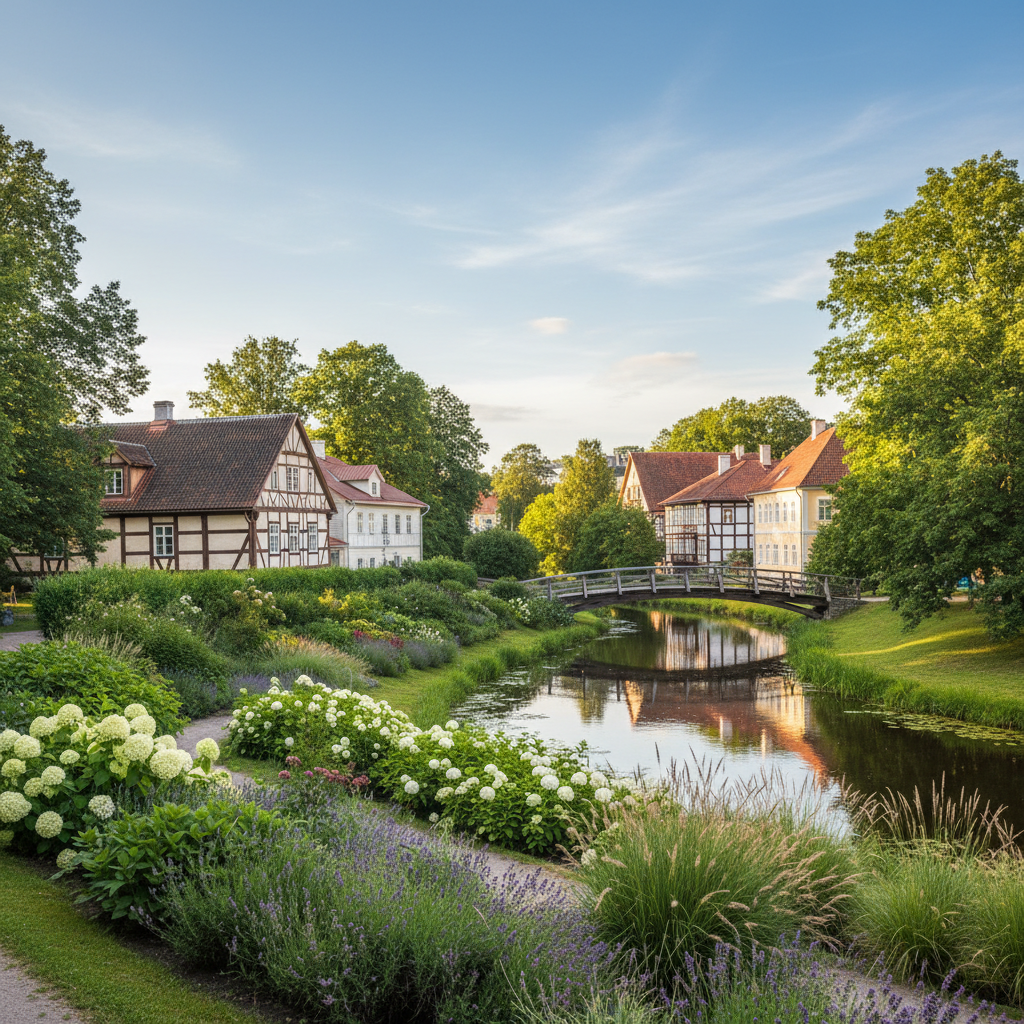
Tartu, Estonia's intellectual capital and 2024 European Capital of Culture, comes alive in summer with a rich blend of history, nature, and contemporary creativity. From the University Botanical Garden to the quirky Upside Down House, the city offers something for every type of visitor. Here are seven places you should not miss this summer.
CultureTartu, Estonia's second-largest city and its self-proclaimed spiritual capital, is at its most vibrant during the summer months of June, July, and August. Known for its academic heritage, free-spirited atmosphere, and cosy café culture along the Emajõgi River, the city earned the title of European Capital of Culture in 2024, and its cultural programme continues to shine into the summer of 2026.
The University Botanical Garden
Few places in Tartu offer the same sense of calm as the University Botanical Garden. A true green oasis in the heart of the city, it becomes a sensory feast in summer when plants from every corner of the world are in full bloom. The Palm House, with its tropical humidity and exotic vegetation, offers a striking contrast to the Estonian climate outside. The outdoor sections are ideal for a picnic or quiet reading, and the garden frequently hosts open-air concerts and cultural events throughout the season.
Emajõgi Riverbank and Supilinn
The Emajõgi River is inseparable from Tartu's identity. On warm summer days, the riverside promenade buzzes with locals and tourists alike. A walk downstream from Town Hall Square leads to Supilinn, one of Estonia's most charming and historically preserved neighbourhoods, famous for its old wooden houses and narrow, winding streets. The district feels like a time capsule. The Supilinn pond and its surrounding park provide perfect shaded rest spots, and the nearby independent cafés are ideal for soaking up Tartu's unhurried pace of life.
Toome Hill and Tartu Observatory
Toomemägi (Toome Hill) is the historic heart of Tartu. The ruins of Tartu Cathedral lend the hill a powerful, awe-inspiring atmosphere, while the Tartu Old Observatory stands as a landmark of global astronomical significance, in the 19th century, it was one of the world's leading centres of astronomical research. On summer evenings, the hill's slopes fill with students and families watching the sunset, making it a place where history, science, and leisure naturally converge.
Estonian National Museum (ERM)
Located on the grounds of a former Soviet-era airfield on the outskirts of the city, the Estonian National Museum carries potent symbolic weight, a monument to freedom built on the ruins of occupation. Its permanent exhibitions "Encounters" and "Echo of the Urals" are world-class showcases of Estonian history and culture that can keep visitors engaged for hours. In summer, the museum's expansive grounds host outdoor festivals and events, cementing ERM as one of Tartu's most important cultural hubs.
Tartu Art Museum, The Leaning House
Right on Town Hall Square stands the Tartu Art Museum, affectionately known as the "leaning house" due to the visible tilt caused by ground subsidence over the centuries. The building itself is one of Europe's most famous tilted structures and an attraction in its own right. Inside, rotating exhibitions feature both Estonian and international art. After a visit, the café terraces on Town Hall Square provide the perfect vantage point to watch city life unfold on a warm Tartu evening.
Aparaaditehas Creative Hub
For visitors seeking something more contemporary and alternative, Aparaaditehas, a former industrial complex transformed into a living cultural factory, is unmissable. Artists, designers, small cafés, and restaurants have taken over the sprawling site, giving it a bohemian, innovative energy. Summer evenings often bring open-air concerts, flea markets, and pop-up restaurant days to the courtyard. It is the best place in Tartu to buy local handicrafts, sample street food, and feel the pulse of the city's modern creative scene.
The Upside Down House
A lighter, more playful option on the Tartu itinerary, the Upside Down House is exactly what it sounds like, a building constructed roof-first, offering visitors a disorientating visual experience and endless opportunities for fun photographs. It is a particularly good choice for families with children, but adults find it equally entertaining. The surrounding area has additional attractions worth exploring, and a visit here makes for a refreshing change of pace after heavier cultural programming.
Practical tips for visiting Tartu
Tartu is a compact city, and the best way to get around is on foot or by bicycle. The city has a well-developed bike rental network, and most major attractions are within a short walk of each other. For more distant destinations such as the ERM, the city bus network is reliable. A stay of at least two days is recommended to do justice to the city centre and its museums, with three or four days advisable if you plan to explore the surrounding manor houses and lakes.
Many of Tartu's greatest pleasures are also free, strolling Toome Hill, walking the Emajõgi riverbank, admiring Supilinn's wooden architecture, and attending many of the summer festival performances that open their stages to the public at no charge.
Open in app →