85 years since the June deportations: Tartu woman recalls her years in Siberia
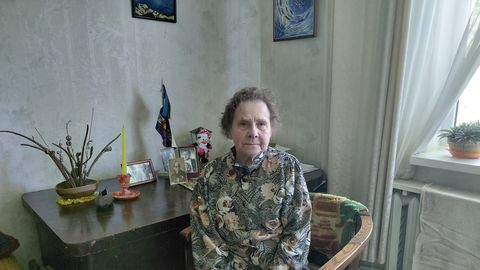
Luule Mats, 88, lives in Tähtvere, Tartu, and shares memories of the June deportations when she was sent to Siberia as a child. Nettles and animal remains found in the forest helped her survive the difficult years. Today, the woman lives at a calm pace and looks after herself.
EstoniaIn a two-storey house with a small garden in Tähtvere, Tartu, lives 88-year-old Luule Mats, one of those who lost her childhood due to the June deportations of 1941. This year marks 85 years since that tragic event. Luule walks more slowly than in her youth, but manages on her own, shops, travels by bus, tends to her flowers, and reads the newspaper without glasses.
"You have to find joy in the fact that I move about and can manage," says the woman calmly, alluding to the fact that after what she experienced, each ordinary day is a gift. Her words carry a profound wisdom about life, formed through decades of difficult experience in Siberia.
Survival in Siberian conditions
Deported Estonians had to find food and warmth in Siberia's harsh conditions from virtually nothing. Nettles became one important food source, which people gathered and prepared to eat. Similarly, animal remains found in the forest were used, and anything that offered even a little nourishment had to be utilised. This skill and will to survive saved many lives.
The June deportations of 1941 affected thousands of Estonian families. The deported were sent to remote regions of the Soviet Union, where living and working conditions were extremely difficult. Many never returned home.
Memory lives on
Luule Mats's story is one of many that remind us what Estonians experienced in the 20th century. After 85 years, preserving these memories is especially important, as the number of survivors who lived through them continues to decline. Her calm yet steadfast presence is itself a testament to the strength of the human spirit.
Open in app →