85 years since the June deportations: victims were primarily children and families of the arrested
On Sunday, 85 years will have passed since the June deportations of 1941. Through decades of archival research, historians have established the fates of thousands of victims and definitively refuted the Soviet narrative that the deportations were driven by military necessity.
EstoniaOn Sunday, 14 June 2026, it will be 85 years since one of the most tragic events in Estonian history: the June deportations of 1941. On Stalin's orders, tens of thousands of people were deported from Estonia, Latvia and Lithuania to labour camps in Siberia and other remote regions. Among the victims were primarily women, children and the families of arrested men.
Archival work reveals the tragic truth
Decades of thorough archival research have enabled historians to establish the fates of thousands of specific victims and refine estimates of the number of survivors. Researchers have worked through both Estonian and Russian-language archival materials to obtain the most complete picture possible of the scope and consequences of the events. Each identified name gives human faces to the abstract numbers of deportation.
At the same time, historians' work has resulted in a clear refutation of the Soviet propaganda narrative claiming that the deportations were security measures dictated by military necessity. Research shows unequivocally that this was a carefully planned political operation whose real aim was to eliminate the newly occupied Baltic nations' national elite-intellectuals, military personnel, officials and entrepreneurs-along with their families.
Children: forgotten victims
The tragedy of the deportations is particularly acute when it comes to children. Entire families were packed into deportation trains; often fathers had already been arrested and killed beforehand, leaving mothers and children alone as people branded enemies to face Siberian cold and hunger. Many children died in the first winter; others grew up abroad, losing their language, culture and identity.
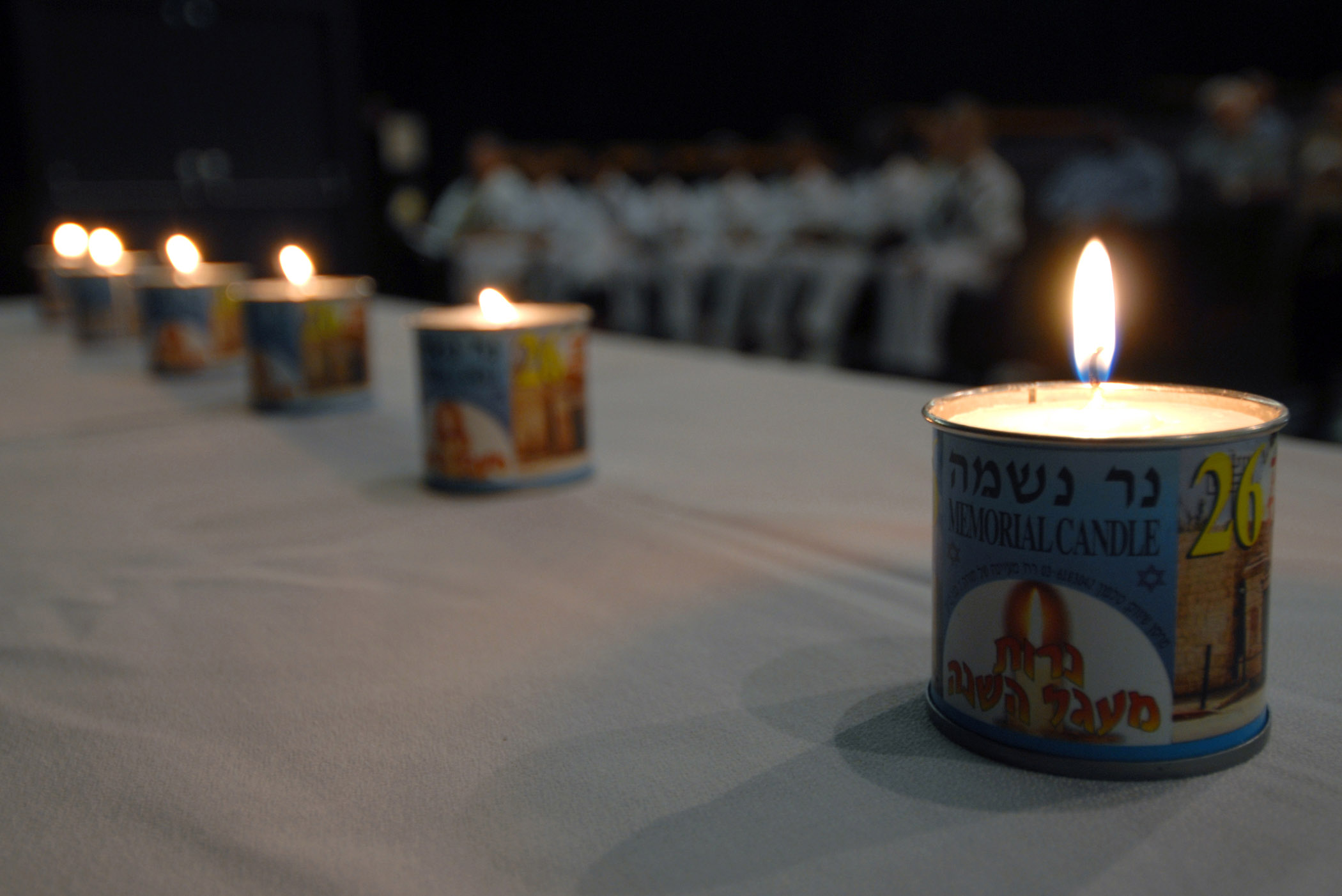
This year's anniversary is an invitation to both remembrance and knowledge. The commemoration of the deportations is a national tradition in Estonia, reminding us that freedom and independence are not given. Historians' work ensures that the names and stories of the victims do not disappear into the shadows of history, but remain alive in the memory of future generations.
Open in app →