A Miracle on Oregon's Coast: Starfish Survive History's Greatest Die-Off
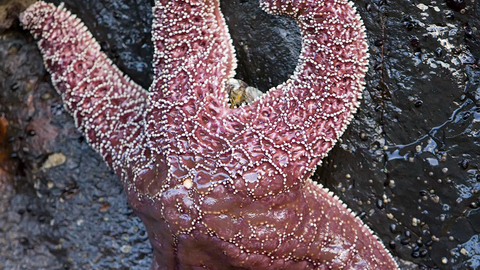
About a decade after a mysterious disease devastated millions of starfish along the Pacific coast, scientists have discovered remarkable signs of recovery on Oregon's rocky shores. Researchers hope these new findings will help explain why some populations managed to survive the catastrophic disease. The recovery is providing scientists with fresh insights into ecosystem resilience and reasons for optimism.
TechnologyAlong Oregon's coast, something is happening that scientists scarcely dared hope for just recently: millions of starfish that died are beginning to return. Nearly a decade after registering history's greatest mass die-off of marine invertebrates, researchers are documenting population recovery on rocky intertidal zones, offering new hope for the entire Pacific coast's marine ecosystem.
A Mysterious Disease Devastates Millions
Around 2013, a starfish wasting disease began spreading along North America's western coast, which scientists named Sea Star Wasting Disease. The disease particularly affected purple starfish (Pisaster ochraceus) and many other species: the animals' bodies decomposed dramatically over weeks, leaving beaches empty. Scientists struggled for a long time to identify the exact cause of the disease, though it was later linked to a densovirus, which was powerfully amplified by warming seawater.
Unexpected Recovery in Oregon
Scientists from the University of Oregon and other institutions have now observed remarkable recovery. Rocky intertidal zones are seeing large aggregations of juvenile starfish, suggesting that the population's genetic diversity has been preserved and that some individuals are more disease-resistant. Scientists are currently investigating whether the descendants of survivors have inherited certain genetic traits that give them a protective advantage.
Ecosystem Balance Depends on Starfish
Starfish are far more than appealing shore creatures; they are keystone species that keep populations of mussels accumulating in coastal zones under control. Their disappearance resulted in coastal strip overgrowth by blue mussels, which crowded out other species. The return of starfish offers hope that the Pacific coast's marine ecosystems can gradually recover. However, scientists emphasise that full recovery may take decades, and as seawater warming continues, the threat of disease outbreaks remains.
Open in app →