Accessible Route Fails Its Purpose With 15-Step Barrier
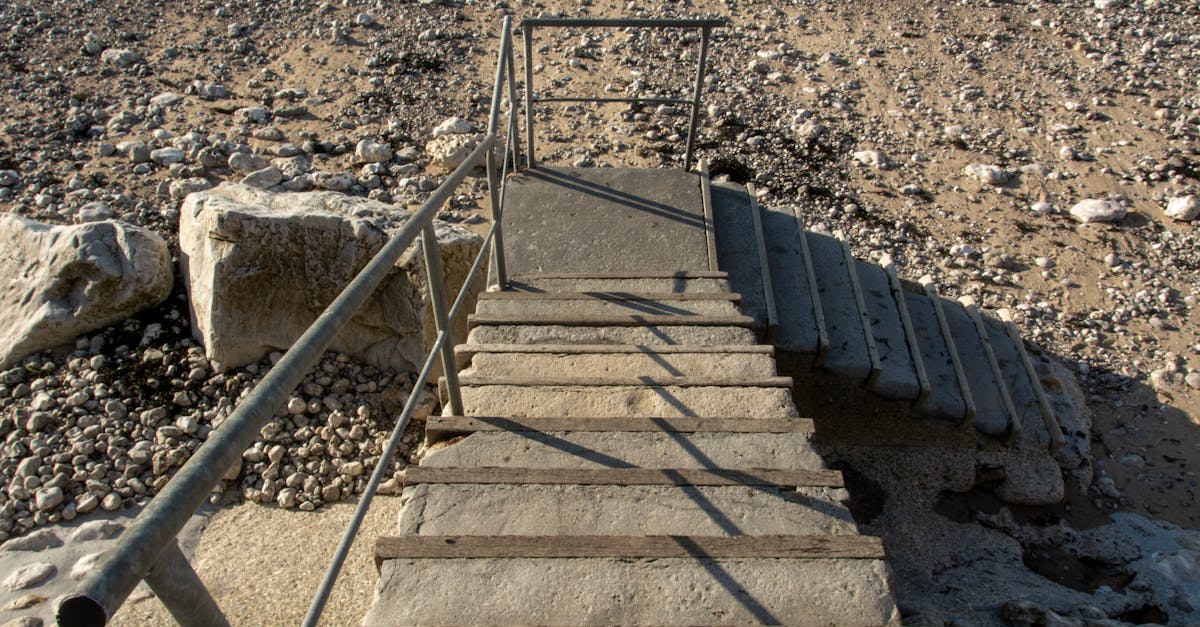
A newly redeveloped bridlepath costing £1 million has been criticized for poor accessibility design, requiring visitors to navigate 15 stone steps and multiple stiles to reach the supposedly accessible route. The contradiction highlights ongoing issues with disability access planning in public infrastructure projects.
OpinionA significant accessibility failure has emerged at a newly redeveloped bridlepath that cost £1 million to construct. Despite being marketed as an accessible route, users must descend 15 stone steps and cross multiple stiles to reach it-effectively creating barriers for people with mobility challenges, wheelchair users, and families with young children.
The design contradiction undermines the fundamental purpose of an accessible route. Such pathways are intended to provide equitable access for all community members, regardless of physical ability. By requiring people to navigate steep steps and stiles, the project fails to deliver on this basic commitment.
This situation reflects a broader problem in public infrastructure planning: accessibility considerations are sometimes treated as an afterthought rather than being integrated from the initial design phase. When accessibility features are added without proper pathway design, they become ineffective regardless of investment levels.
The £1 million cost raises additional questions about project oversight and whether accessibility audits were conducted before development began. Infrastructure planners should implement comprehensive accessibility reviews at all stages to prevent such costly failures.
This case serves as a reminder that genuine accessibility requires thoughtful design from the outset, not retrofitted solutions. Future projects must prioritize inclusive planning to ensure that public investments actually benefit the communities they're intended to serve.
Open in app →