Adding Pink Himalayan Salt to Drinking Water: Science Says No
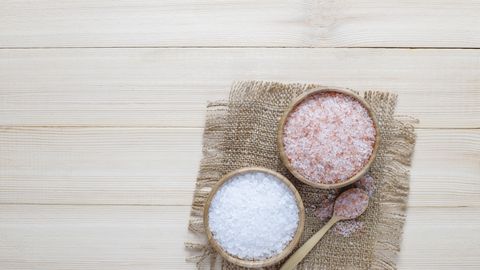
A myth is spreading on social media claiming that adding pink Himalayan salt to drinking water improves hydration and detoxifies the body. However, scientific evidence does not support these claims, and excessive salt consumption can actually be harmful to health.
TechnologyA trend has been intensifying on social media recently of adding pink Himalayan salt to drinking water, promising multiple health benefits, from better hydration to "detoxifying" the body. In reality, science does not support these claims.
The main myth is that pink Himalayan salt contains more minerals than regular table salt and thus helps the body absorb water more effectively. While pink salt does indeed contain some additional trace minerals, their concentration is so low that it provides no meaningful health benefit.
Doctors and nutrition specialists warn that excessive sodium consumption, regardless of salt colour, raises blood pressure and puts strain on the kidneys. The recommended daily salt intake for adults is below five grams, and exceeding this limit carries serious health risks.
The claim about "detoxifying" the body is a pseudoscientific concept known in medicine. The human liver and kidneys perform this function continuously and effectively, no added substance can accelerate or enhance this process.
In short, the advice is simple: if you want to be well-hydrated, drink adequate amounts of clean water. Pink Himalayan salt may be suitable for flavouring food, but as a "water enhancer" it has no scientifically proven benefit.
Open in app →