AfD plans to split CDU and overhaul party platform in Germany
A photograph and video showing CDU faction leader Guido Heuer and AfD top candidate Ulrich Siegmund appearing together have sparked controversy in Germany, calling into question the CDU's so-called "firewall" against the AfD. Behind closed doors, AfD leadership hopes either to divide the CDU or to forge a coalition with the BSW to seize power in the future. Meanwhile, the AfD is preparing a new party platform intended to steer the party towards a more Russia-friendly foreign policy and take clear positions on the euro and family policy.
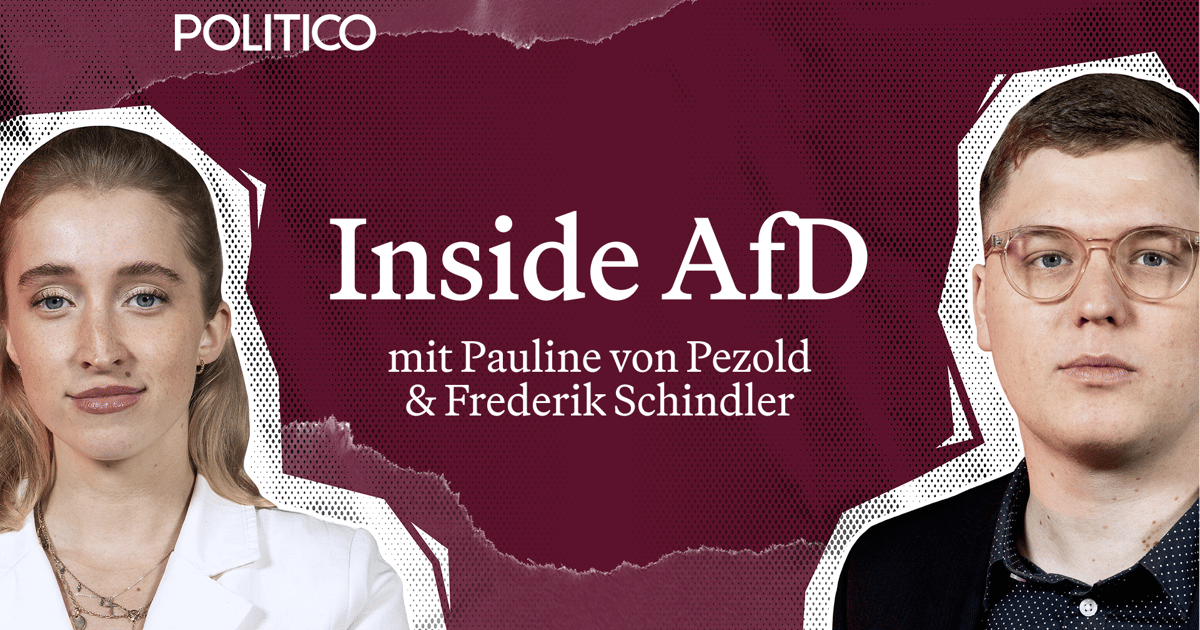
PoliticsGermany's AfD is dividing the CDU from within and preparing a new party platform, according to POLITICO and WELT journalists Pauline von Pezold and Frederik Schindler, describing the far-right party's current strategic moves.
Photo that raised questions
Most controversy has been stirred by a photograph and brief video clip showing CDU faction leader Guido Heuer in Saxony-Anhalt and AfD top candidate Ulrich Siegmund together. This image has reignited debate over the CDU's so-called "firewall" intended to prevent any cooperation with the AfD. However, AfD leadership hopes that such contact points will gradually weaken and split the CDU.
Russia-friendly foreign policy
The AfD is meanwhile preparing a new party platform to be adopted next year. Internal documents point to significant shifts in direction: the party intends to reshape its foreign policy with a clear Russia focus, meaning a strengthening of anti-Western positions. In addition, the AfD wants to take concrete stances on the future of the euro and family policy issues based on programmatic positions.
Internal struggle in Bavaria
Within the party, a bitter confrontation is expected in Bavaria, where current chairman Stephan Protschka will face challenger Reinhard Mixl at the AfD state congress. According to journalists, this duel is actually a broader proxy war between influential faction leader Björn Höcke and external networks of influence seeking to consolidate their positions within the party.
Growth despite contradictions
Despite ongoing radicalization and monitoring by Germany's constitutional protection agency (Verfassungsschutz), AfD support in the country has continued to grow. The party's internal strategies and external pressure groups are shaping Germany's political landscape significantly, making the AfD question a central issue even ahead of autumn regional elections.
Open in app →