Aggressor States Determine New UN Secretary-General
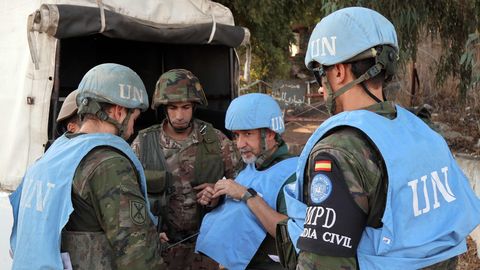
Before the end of the year, it will become clear who will become the UN's next Secretary-General – likely for the next ten years. A crucial role in this process is played by aggressor states that hold veto power.
PoliticsThe United Nations faces a significant leadership transition: before the end of 2025, it must become clear who will assume what has been called "the most impossible job in the world" – the position of UN Secretary-General. The person taking office will likely lead the organisation for the next ten years.
Who decides?
The UN Secretary-General is selected by the General Assembly on the recommendation of the Security Council. This means that five permanent members play key roles in the process – the US, the UK, France, Russia and China – all of whom have veto power. The influence of Russia and China on the candidate selection raises serious questions within the international community, as both countries have been associated with violations of international law.
The Secretary-General's role in international politics
The UN Secretary-General is the highest-ranking official of the world organisation, tasked with coordinating international cooperation in conflict resolution, humanitarian aid provision and development issues. António Guterres has held this position since 2017, and his second term ends in 2026.
International analysts draw attention to a dilemma: Russia and China have a real opportunity to block candidates unfavourable to them, which could limit the prospects of candidates with Western values. This raises the question of how much the new Secretary-General will be able to maintain the UN's credibility in a situation where two permanent members are themselves under scrutiny in the international community.
Open in app →