AI-Powered Restaurant Kitchens Could Democratize Food Business
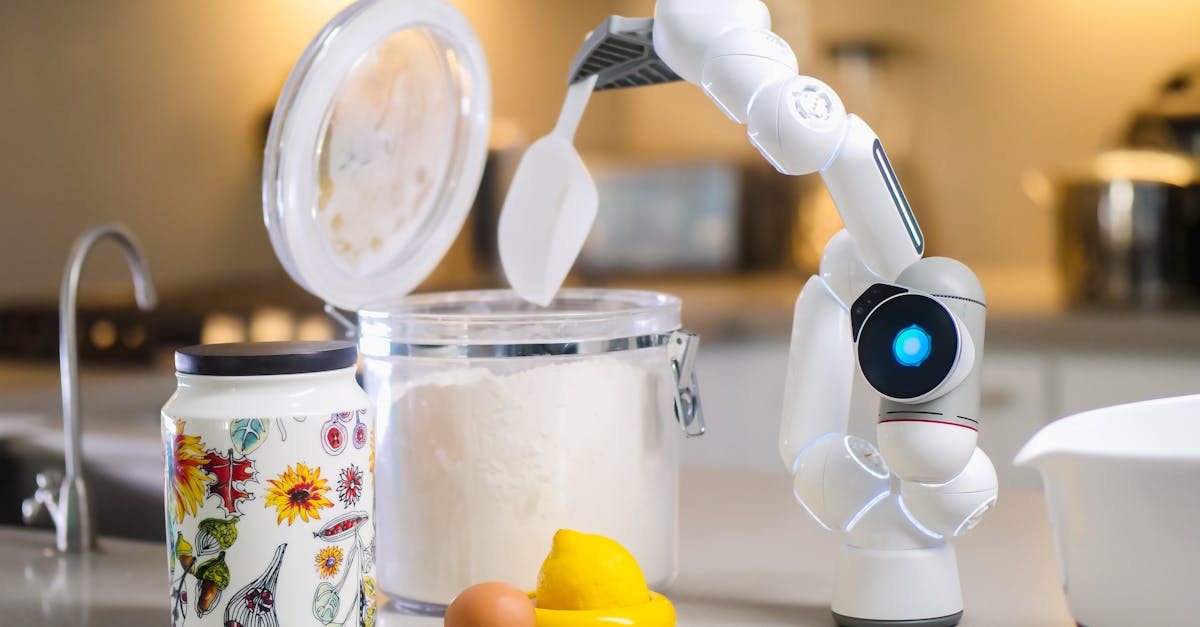
Wonder, a company specializing in robotic kitchens, plans to transform its technology into AI-powered "restaurant factories" that would allow entrepreneurs to launch virtual food brands using simple text prompts. The initiative aims to lower barriers to entry in the restaurant industry through automation and artificial intelligence.
TechnologyWonder, a technology company focused on autonomous kitchen systems, is exploring a new vision for the future of food service. According to Marc Lore, the company's leadership aims to convert its robotic kitchen infrastructure into what they call "restaurant factories", fully automated facilities powered by artificial intelligence. This concept would fundamentally reshape how food businesses launch and operate.
The core innovation centers on simplifying restaurant creation through AI-driven automation. Instead of requiring significant capital investment, extensive culinary expertise, and operational complexity, entrepreneurs could theoretically launch a virtual food brand by providing AI with a simple text prompt describing their concept. The automated kitchen system would then handle preparation, cooking, and packaging with minimal human intervention.
This approach represents a significant shift in food industry accessibility. Currently, opening a restaurant requires substantial upfront costs for real estate, equipment, staff training, and permits. Wonder's vision would compress these requirements by automating production processes and eliminating the need for physical dining spaces. Virtual brands operating from a single centralized kitchen could serve multiple customer bases simultaneously through different platforms and delivery services.
The technology builds on existing trends in ghost kitchens and cloud kitchens, which already operate delivery-only food services from compact facilities. By adding AI prompt-based menu creation and robotic preparation systems, Wonder suggests entrepreneurs could launch diverse food concepts rapidly and at scale. The model could particularly benefit early-stage food entrepreneurs and established brands looking to test new concepts with minimal financial risk.
While the proposal remains speculative, it demonstrates how automation and AI are increasingly applied to traditionally human-centered industries. The success of such restaurant factories would depend on technology reliability, food quality consistency, regulatory approval, and consumer acceptance of AI-prepared meals.
Open in app →