AI Technology Enables Connected Vehicles to Detect Potholes Automatically
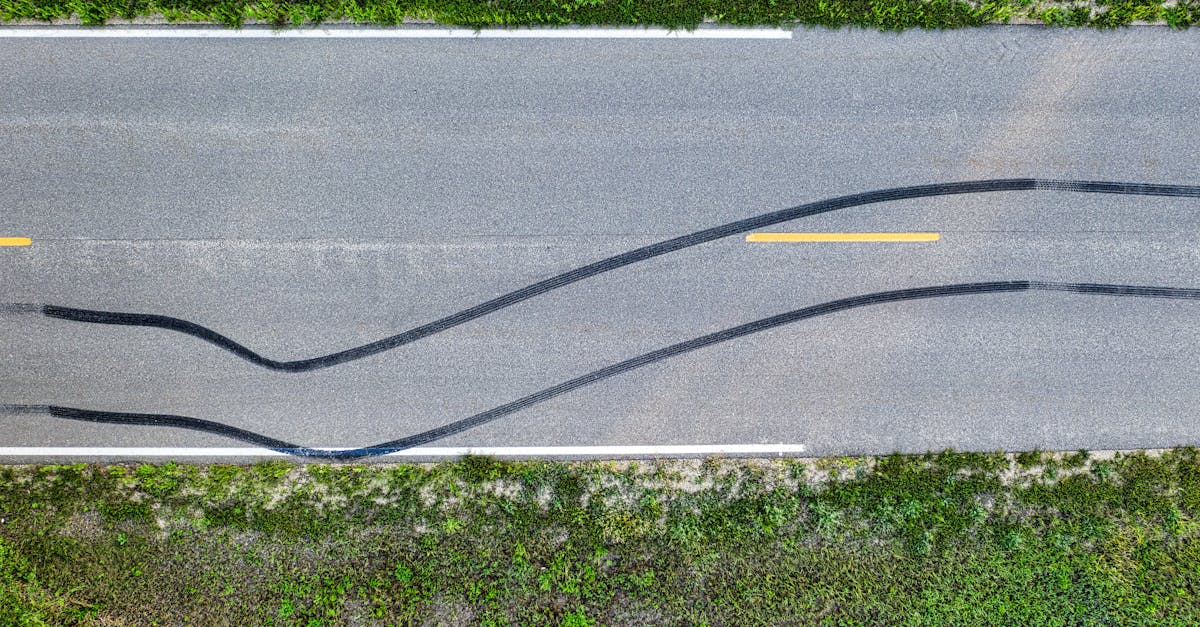
Fleet management company Samsara has developed an artificial intelligence model capable of identifying different types of potholes and measuring their deterioration rate. The technology transforms connected vehicles into autonomous road condition monitoring systems, potentially improving infrastructure maintenance efficiency.
TechnologySamsara, a fleet management company, has unveiled an artificial intelligence system that leverages connected vehicles to automatically identify and assess road damage. The AI model is designed to detect various categories of potholes and evaluate the speed at which they deteriorate over time.
The technology works by processing data collected from vehicles equipped with connected systems as they traverse roads. This approach transforms ordinary commercial fleets into a distributed network of road condition monitors, eliminating the need for dedicated inspection equipment or personnel to manually survey road surfaces.
By identifying potholes at different stages of deterioration, the system enables municipal authorities and road maintenance departments to prioritize repairs more strategically. The AI can distinguish between minor surface damage and more severe pavement failures, helping allocate maintenance budgets more effectively and prevent further road degradation.
The development represents a practical application of artificial intelligence in smart transportation infrastructure. Fleet operators who adopt this technology gain valuable insights about road conditions along their routes, while simultaneously contributing data that can benefit broader infrastructure management efforts across regions.
Samsara's innovation addresses a longstanding challenge in road maintenance: the difficulty and expense of conducting comprehensive road condition surveys. By crowdsourcing inspection data from vehicles already on the road, the system provides continuous, real-time monitoring capabilities that traditional methods cannot match.
Open in app →