AI Token Expansion Paradox: More Code, Higher Costs
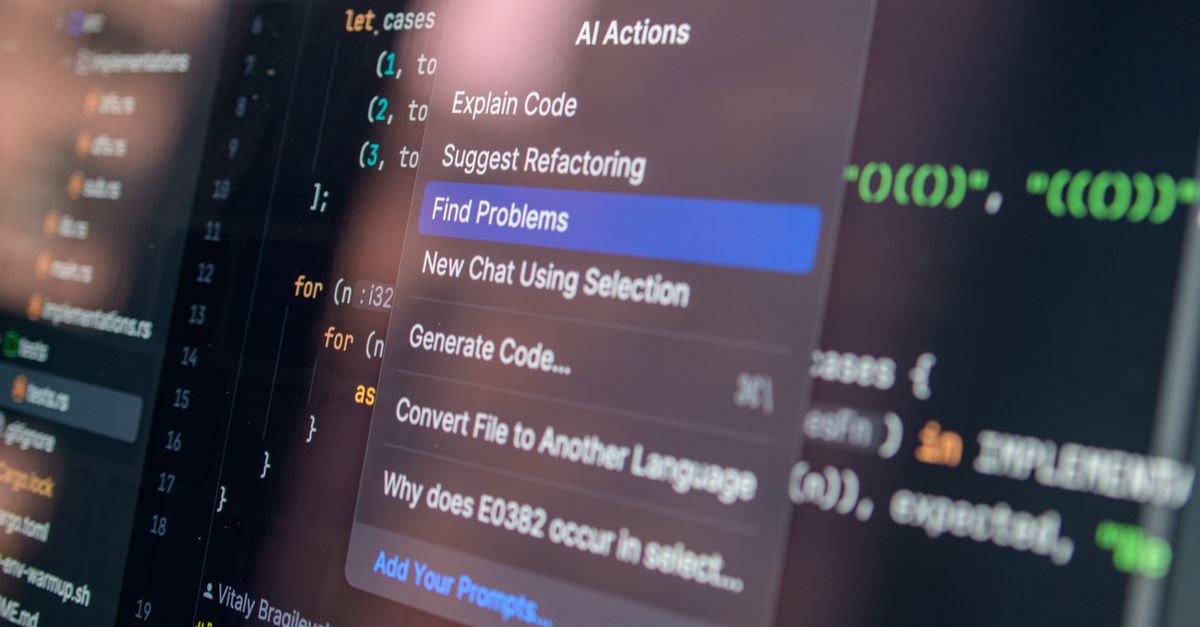
Developers are generating significantly more code using AI tools, but this expansion comes with hidden productivity costs. Increased token usage drives up expenses while requiring extensive rewriting and refinement, challenging the assumption that more generated code equals better efficiency.
TechnologyThe rise of AI-assisted coding has created an unexpected paradox in software development workflows. While developers are producing substantially more code through AI generation tools, the actual productivity gains fall short of expectations. The phenomenon, often referred to as 'tokenmaxxing,' reveals that sheer volume of generated code does not translate to proportional increases in development efficiency.
The core issue stems from the economics of large language models and token-based pricing. Each line of AI-generated code consumes tokens-units that incur real costs-and developers often find themselves paying premium rates for code that requires significant revision. What initially appears as a time-saving advantage becomes an expensive proposition when accounting for the extensive rewriting, debugging, and quality assurance needed to integrate AI-generated solutions into production systems.
Research into AI-assisted development patterns shows that while code generation speeds have increased dramatically, the downstream work required to make that code viable has also expanded. Developers must carefully review algorithmic logic, fix security vulnerabilities, optimize performance characteristics, and ensure compatibility with existing codebases. This hidden labor cost undermines the productivity narrative often promoted by AI tooling vendors.
The economic implications extend beyond individual developer workflows. Organizations investing heavily in AI-powered development platforms discover that token consumption and associated costs can outpace traditional development expenses, particularly when factoring in the time spent refining AI-generated output. This reality is prompting development teams to reconsider how and when to deploy AI assistance, focusing on specific high-value tasks rather than attempting to automate entire development pipelines.
As the technology matures, industry observers suggest that sustainable AI-assisted development requires more nuanced strategies. Rather than maximizing token usage, teams are learning to optimize for code quality and maintainability while carefully managing AI tool deployment to genuinely high-complexity problems where the generated output provides clear advantages over manual coding approaches.
Open in app →