Ain Kaalep at 100: How He Became a "Cosmopolitan" in Soviet Eyes
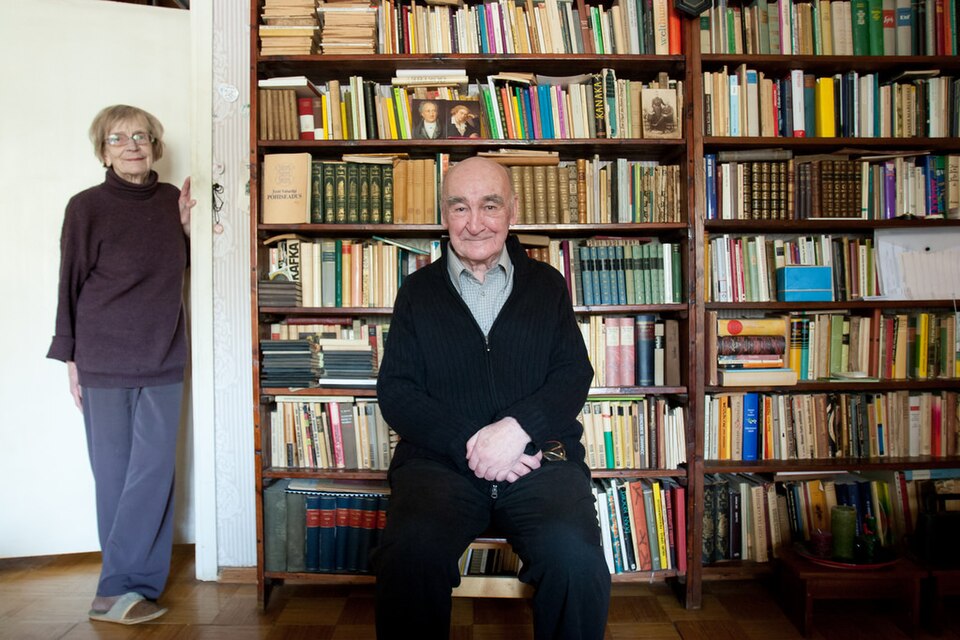
On the occasion of Ain Kaalep's centenary, we look back at the postwar years when the writer repeatedly faced pressure from Soviet political authorities. One document from that time became the catalyst for his branded as a "cosmopolitan".
CultureAin Kaalep's hundredth birthday will be celebrated in 2026, providing a good reason to look back at his complex journey through the Soviet cultural landscape. Emerging from Tartu's intellectual and cultural circles, Kaalep was one of Estonia's most prominent poets and translators, yet his career was anything but smooth.
In the Machinery of Power
The postwar years proved politically perilous for Kaalep. Soviet cultural policy demanded ideological obedience from writers, and anyone who deviated risked falling under the regime's condemnation. Kaalep was branded with the label "cosmopolitan," which in Soviet parlance meant something far worse than mere lack of patriotism-it was an accusation that could end a career or bring even graver consequences.
The Document That Started It All
It is striking that the branding of Kaalep as a "cosmopolitan" originated from one specific document that had a considerable impact on his life within the political atmosphere of the time. This document vividly reflects an era when even a poet's choices-what to translate, what to write, whom to quote-could become a matter of political prosecution.
Significance in Today's Context
Kaalep's jubilee offers an opportunity to reexamine Estonian literary history within a broader political context. His experience illustrates how a totalitarian regime could persecute intellectuals through words and labels. Ain Kaalep's legacy-his poetry, translations, and life story-is part of Estonia's collective memory, worthy of preservation and study.
Open in app →