Analysis: Trump needs to end the Iran conflict, but Tehran won't back down
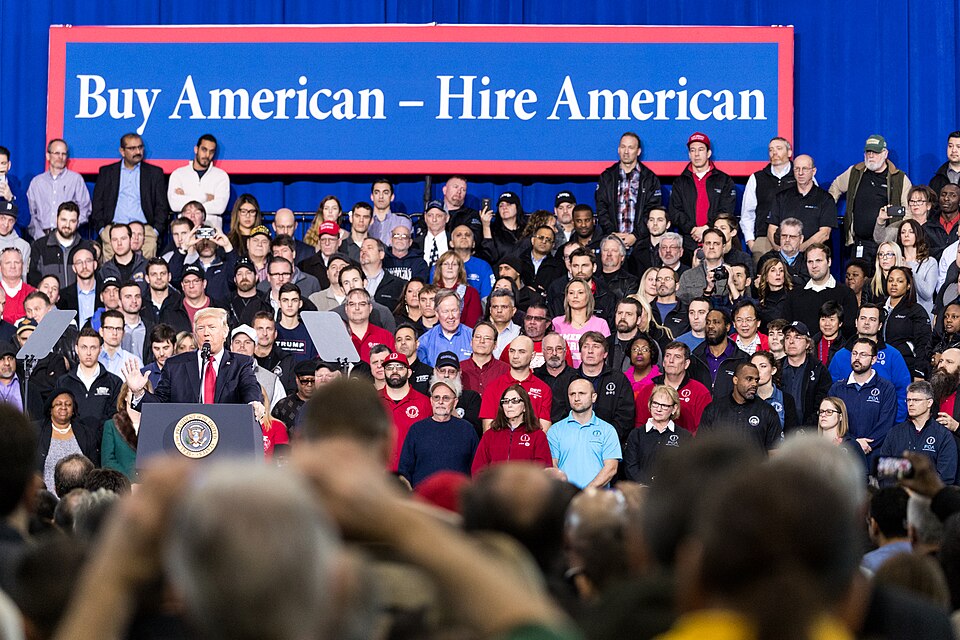
US President Donald Trump faces pressure from Gulf allies and domestic politics to reach an agreement with Iran. Iran, however, is demanding significant concessions and is not prepared to simply retreat. The situation puts the White House in a difficult position.
PoliticsTrump's Iran dilemma
Donald Trump has found himself in a difficult position: on one hand, US domestic political considerations and Persian Gulf allies are pressing him to find a solution to the Iran conflict, while on the other hand, Tehran is not prepared to make concessions without substantial reciprocal measures.
The White House has begun actively seeking a peaceful agreement, but Iran sets strict conditions for negotiations. Tehran has made clear that a simple ceasefire-type deal is off the table — Iran's leadership demands tangible political and economic guarantees.
The Gulf states' role as pressure brokers
US Persian Gulf allies — including Saudi Arabia and the United Arab Emirates — have increasingly pressured Washington to stabilize the situation, since regional uncertainty directly affects their economic interests and security. These states represent an important political asset for Trump's administration, making negotiations an even more delicate balancing act.
Iran's position, by contrast, remains firm: without the lifting of US sanctions and security guarantees, Tehran is not prepared to make significant concessions. This means that if Trump wants a real deal, he will have to pay a political price both at home and abroad.
Prospects and risks
According to analysts, negotiations carry multiple risks for both sides. Trump faces the possibility that even if he makes concessions, Iran could deem them insufficient. Tehran, in turn, risks further escalation of the situation if an agreement is not reached. The situation remains open, and finding a solution requires political courage from both parties.
Open in app →