Ancient Meteor Shower to Illuminate British Skies This Week
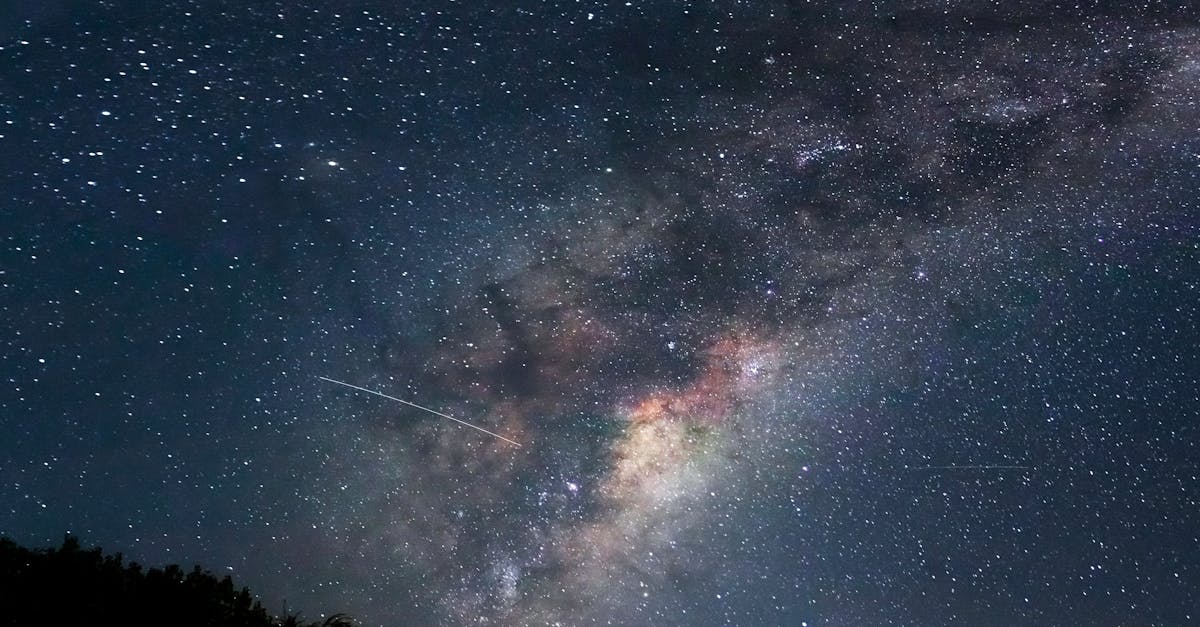
The Lyrid meteor shower, one of the oldest known celestial events documented by humans, will light up the skies over the United Kingdom this week as Earth passes through ancient dust particles left behind by Comet Thatcher. This annual phenomenon, traced back centuries, offers stargazers a rare opportunity to witness one of nature's most persistent cosmic displays.
TechnologyThe Lyrid meteor shower is set to illuminate the night sky over the United Kingdom in the coming days, marking the arrival of one of humanity's oldest recorded astronomical events. This spectacular display occurs as our planet's orbit intersects with a trail of dust and debris left behind by Comet Thatcher, a celestial body that has been passing through the inner solar system for centuries.
The Lyrid shower holds particular significance in astronomical history as one of the oldest documented meteor showers known to science. Historical records indicate that observations of this phenomenon date back more than two millennia, making it a rare continuous link between modern astronomy and ancient skywatching traditions. The predictable nature of this meteor shower has allowed astronomers to track its behavior across generations and refine our understanding of cometary dust dynamics.
Earth's passage through the debris field created by Comet Thatcher produces the characteristic streaks of light visible from the UK during the shower's peak. These meteors enter Earth's atmosphere at high velocity, creating brilliant luminous trails as they burn up in the upper atmospheric layers. The timing and intensity of the shower can vary slightly from year to year depending on the density of dust particles encountered along Earth's orbital path.
For UK observers, the meteor shower presents an excellent opportunity to witness cosmic phenomena without requiring specialized equipment. Clear skies and minimal light pollution offer the best viewing conditions, making rural and suburban areas ideal locations for observation. The event continues the tradition of astronomical observation that has captivated humans throughout recorded history, connecting modern skywatchers with centuries of celestial documentation.
Open in app →