Art Johanson: Estonian Presidential Election is Barbed Wire Democracy
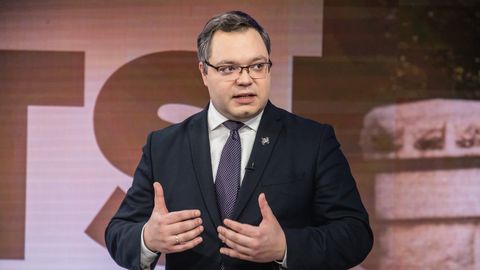
War historian Art Johanson writes that in the 1933 constitution, the people had direct participation in the exercise of state power, including the election of the head of state. Today, of this people's right, essentially only Riigikogu elections remain, while everything else depends on the discretion of those in power. According to Johanson, Estonia's presidential election system has become problematic from a democratic perspective.
OpinionArt Johanson is a war historian whose work has produced several treatments of Estonian history. This time he examines the question of how democratic Estonia's presidential election system is.
The significance of the 1933 constitution
The 1933 constitution explicitly stipulated that the people exercise state power through referendums, citizens' initiatives, and elections of the Riigikogu and head of state. This was a strong democratic principle that gave citizens a direct voice in the choice of the nation's highest leader.
Today, essentially only Riigikogu elections remain of this principle. The remaining people's rights, including the direct election of the president, according to Johanson, depend on the will and discretion of those in power.
The thorns of democracy
The term "barbed wire democracy" used by Johanson refers to a situation in which the external features of democracy have been preserved, but actual popular participation is limited and restricted, like barbed wire, which appears to be just wire but restricts freedom of movement.
The election of the president by Riigikogu members and representatives of local governments removes decision-making from ordinary citizens, who may elect parliament but cannot directly elect the head of state. This turns presidential elections into an expression of elite politics rather than popular democracy.
Open in app →