Artur Knjazev: Constitutional Court left many questions unanswered in church law dispute
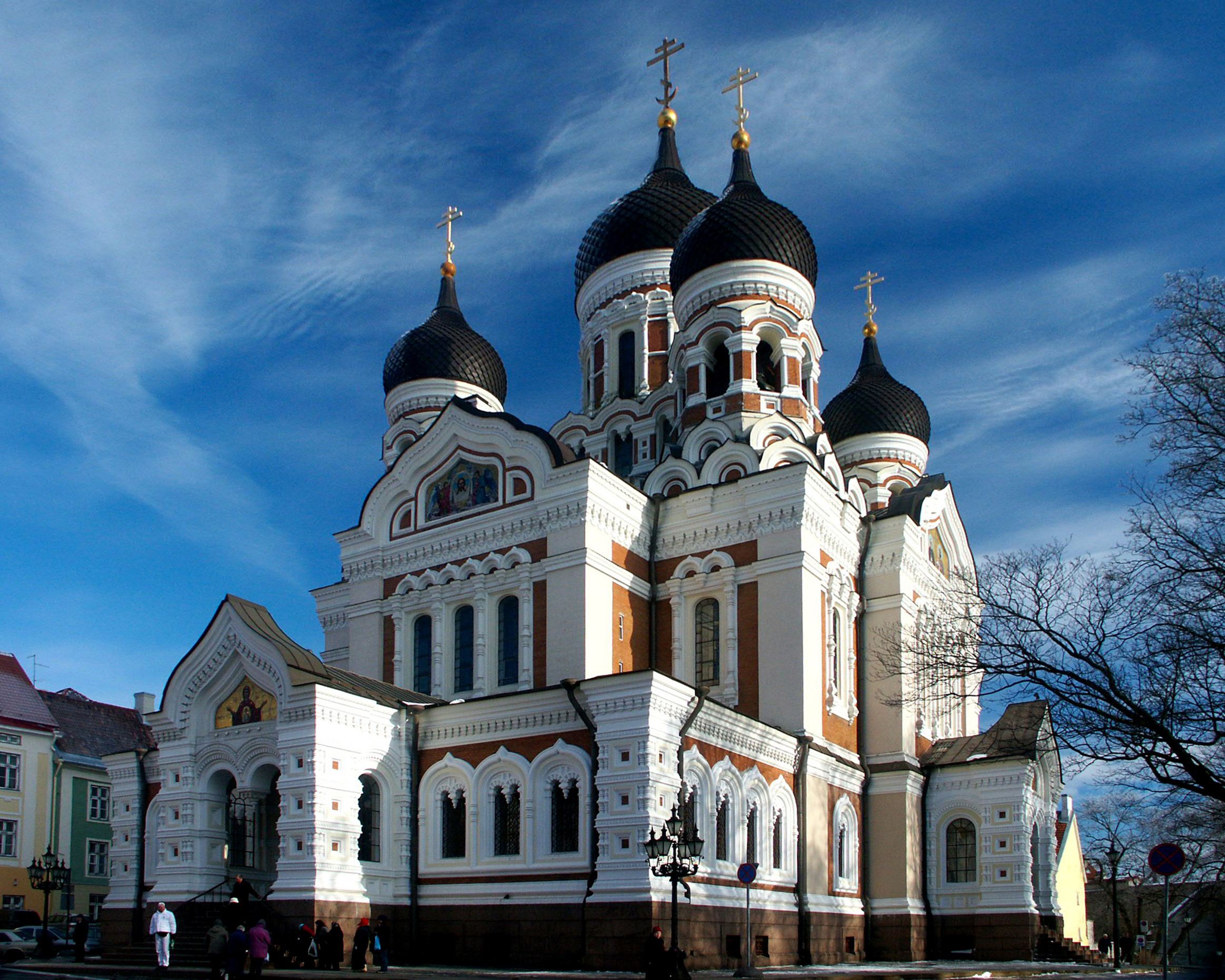
Jurist Artur Knjazev believes the Constitutional Court's 8 June ruling on church law did not end the dispute. A simplified understanding has taken hold in society that the Estonian Orthodox Christian Church and Pühtitsa Convent should simply sever ties with Moscow following the law's enactment, but the court did not address this question.
EstoniaFollowing the Constitutional Court's 8 June ruling, a belief has taken root in society that the dispute over church law has ended: the law will take effect and the Estonian Orthodox Christian Church (EOKK) and Pühtitsa Convent will have no choice but to sever ties with Moscow. However, jurist Artur Knjazev argues that reality is more complex and the Constitutional Court left essential questions unanswered.
What the court actually decided
The Constitutional Court ruling did address the constitutionality of the church law, but left unresolved the question of what exactly is meant by the requirement to sever institutional ties with a foreign religious centre. This is, however, the most important practical question that the churches now face. According to Knjazev, the ruling does not provide a clear answer as to which organisational form would comply with the law's requirements.
The EOKK and Pühtitsa Convent must therefore interpret for themselves what exactly is expected of them, and that interpretation could later prove to be wrong. The situation is complicated by the fact that the canonical structure of the Moscow Patriarchate and Estonian legal regulation may be incompatible in a way that legislators did not anticipate.
Disputes continue in court
Knjazev emphasizes that implementation of the church law will likely trigger a new wave of court disputes. Questions about the interpretation of religious freedom, property rights and organisational autonomy are far from resolved. The possible role of the European Court of Human Rights also remains unclear.
Therefore, the Constitutional Court ruling has not put the matter to rest, but rather opened a new chapter in a complex dispute that touches on the relationship between religion, state security and fundamental rights in Estonia.
Open in app →