Ball Game Bans Harm Children's Health, UK Report Warns
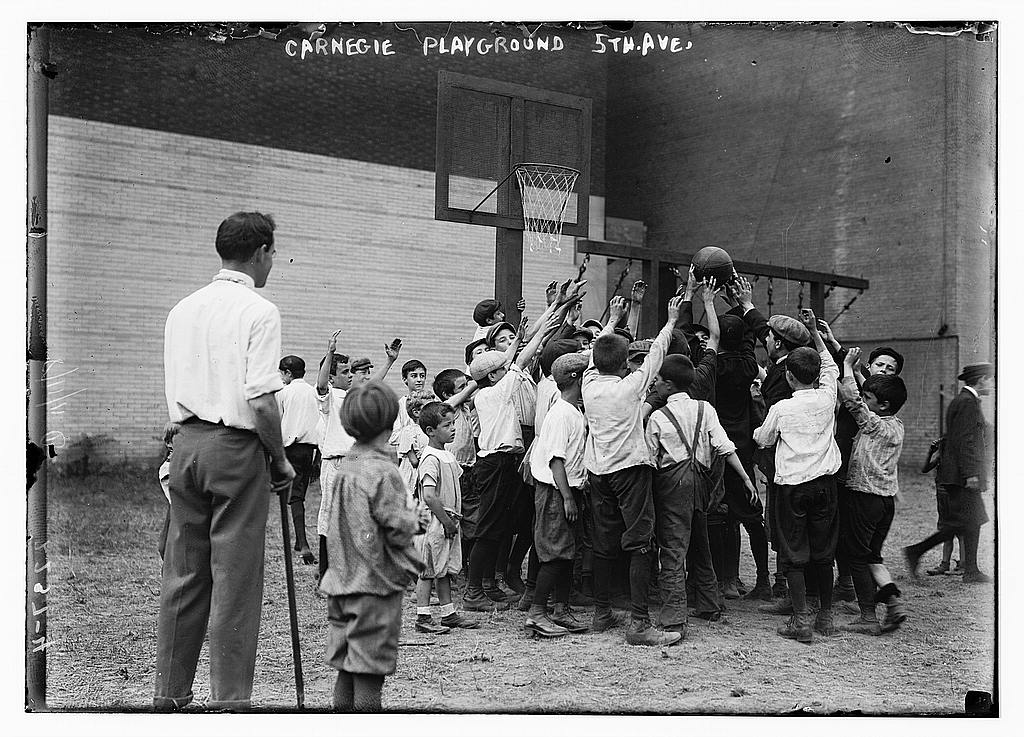
A new parliamentary report in England identifies 'no ball games' signs as a significant barrier preventing children from exercising, recommending that physical education become a core school subject. The findings highlight how overzealous restrictions on playgrounds may be reducing youth physical activity levels.
OpinionMembers of Parliament in England have received troubling findings about obstacles preventing young people from engaging in sport and physical activity. According to a comprehensive new report, one unexpected culprit is the widespread placement of 'no ball games' signs in public spaces and school areas, which appears to be discouraging children from participating in recreational exercise.
The parliamentary report puts forward several key recommendations aimed at reversing declining youth activity rates. Chief among these is the proposal to elevate physical education (PE) to the status of a core subject in schools, giving it equal priority to subjects like mathematics and English. Proponents argue that this institutional change would ensure all students receive consistent, quality PE instruction regardless of school resources or priorities.
The 'no ball games' restriction has emerged as a particularly surprising barrier in the analysis. These signs, typically posted in parks, playgrounds, and school grounds to prevent property damage or noise complaints, inadvertently send a message that recreational ball sports are unwelcome. The report suggests that such restrictions, while intended to manage specific problems, may contribute to broader patterns of youth disengagement from physical activity.
The findings underscore a growing concern among health and education experts in England about sedentary lifestyles among children. By removing unnecessary restrictions and strengthening PE curriculum requirements, lawmakers hope to create a more encouraging environment for young people to develop healthy exercise habits. The recommendations reflect a recognition that infrastructure, institutional support, and cultural messaging all play crucial roles in determining whether children participate in sport.
Open in app →