Banana Peels in the Garden: Valuable Fertiliser or Pointless Effort?
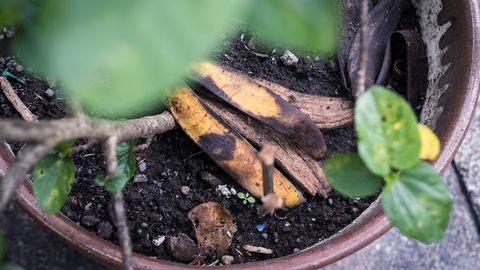
Banana peels often end up in the bin, but experienced gardeners know they contain valuable nutrients that help plants grow. The question is whether banana peels can truly replace conventional fertiliser and which plants actually benefit from them.
CultureEvery time you eat a banana, you probably discard the peel without thinking. But gardeners have long discovered that banana peels can actually be quite useful in the garden, they contain several nutrients that support plant growth.
Banana peels are rich in potassium, an important macronutrient for plants. Potassium helps strengthen plant roots, improves drought resistance, and supports the development of fruits and flowers. In addition, banana peels contain phosphorus and magnesium, which also contribute to plant development.
But can banana peels completely replace conventional garden fertiliser? Experts warn that banana peels lack nitrogen, which is essential for rapid plant growth. Therefore, banana peels are more of a supplement to regular fertilising rather than a complete replacement for it.
Banana peels can be used in the garden in several ways: mixed into the soil when chopped up, added to compost, or soaked in water to make so-called banana peel tea. The latter can be used in place of regular watering, providing nutrients to plants in liquid form.
Plants that need plenty of potassium benefit most from banana peels, for example, tomatoes, peppers, roses, and strawberries. However, you should avoid over-fertilising with peels, as excess potassium can interfere with the absorption of other nutrients.
Open in app →