Bank of Estonia economist: all parliamentary parties share blame for Estonia's growing debt
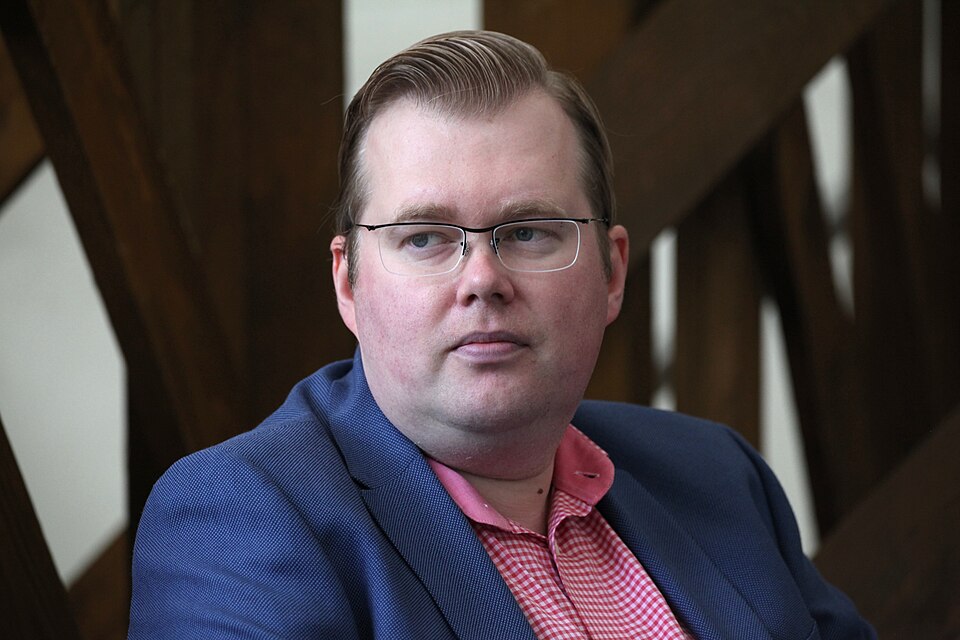
An analysis by Bank of Estonia economist Kaspar Oja shows that Estonia's rising structural deficit is the result of decisions made across multiple governments and all current parliamentary parties, not solely the current ruling coalition. EKRE and the Centre Party contributed the largest shares of structural deficit as a percentage of GDP, while the ruling parties also bear partial responsibility.
EstoniaEstonia's growing state debt burden cannot be blamed on any single government, according to a new analysis by Kaspar Oja, economist at the Bank of Estonia. The findings, reported by ETV's Aktuaalne Kaamera, show that structural deficit has accumulated across successive governments involving all parties currently represented in the Riigikogu.
Deficit by party: who contributed most?
Oja's analysis attributes the largest share of structural deficit to periods when EKRE and the Centre Party held government positions. EKRE-era policies account for 2.7% of GDP in structural deficit, while the Centre Party's contribution stands at 2.3%. Among current opposition parties, Isamaa follows with 0.65% and the Social Democrats with 0.47%.
The ruling coalition parties rank lower on the list, but are not without responsibility: Eesti 200 contributed 0.92% of GDP to the structural deficit, while the Reform Party accounts for 0.41%.
«We had a low national debt, and it seemed quite tempting to increase it, but those one-off increases have now turned into long-term expenditures,» Oja said.
The COVID turning point, and what came before
The single largest spike in the budget deficit occurred during the COVID-19 pandemic, when fiscal policy across Europe shifted toward stimulus spending. Urmas Reinsalu, chairman of Isamaa, argued that this was a Europe-wide phenomenon Estonia could not have avoided: «Essentially all European countries made this choice. It was an unavoidable accompanying situation that Estonia also faced.»
However, Oja stressed that Estonia's structural budget problems predate the pandemic. «The last structural surplus was in 2015. Before that, Estonia's budgets were consistently in structural surplus. From 2017 onwards, deficits became permanent,» he noted.
Riigikogu member Andrei Korobeinik acknowledged that the Centre Party bears the greatest share of responsibility for tipping the budget into deficit, but argued that the decisions taken at the time left Estonia in better shape entering 2021 than it had been before COVID-19. He suggested the party could have been bolder in investing during economic downturns, but admitted the resolve was lacking.
Leaders push back, trade blame
EKRE leader Martin Helme disputed the figures attributed to his party, arguing that the bulk of the deficit assigned to EKRE was actually generated after he left government. «In 2021, the deficit was around 700 million. Those 700 million were added through a supplementary budget passed by Kaja Kallas and Jüri Ratas, if I remember correctly, in April 2021. I refuse to accept that I somehow ruined Estonia's finances in a single year,» Helme said.
The road back to balance
All parties now agree that the current trajectory is unsustainable and that serious measures are needed to rebalance the state budget, a process analysts estimate will take roughly eight to ten years. Where they sharply diverge is on the method.
Helme called for decisive spending cuts paired with tax reductions across the board, including VAT, income tax, and excise duties, and said he would abolish the car tax altogether.
Korobeinik proposed a different mix: new taxes on bank windfall profits, a digital tax on large IT companies operating in Estonia, a progressive income tax, and cuts to the public sector.
The debate reflects a broader political standoff over fiscal consolidation that is likely to define Estonian budget politics well into the next decade.
Open in app →