Bear cubs expose gaps in Estonia's wildlife rehabilitation system
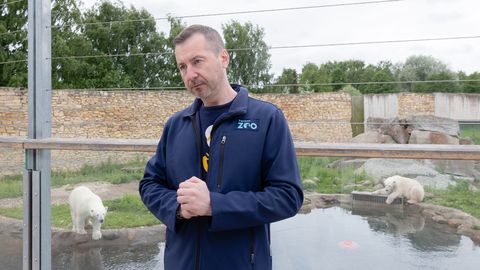
Estonia lacks a dedicated large wildlife rehabilitation centre, sparking debate over whether such a facility is necessary. The Environmental Board and Tallinn Zoo's chief veterinarian consider the current system adequate, but the Estonian Wildlife Society warns that many injured and orphaned animals are left without proper care.
EstoniaRecent cases involving distressed wild animals have once again raised the question of whether Estonia has sufficient capacity to treat and rehabilitate large game animals, including bear cubs. Currently, Estonia lacks a specialised large wildlife rehabilitation centre, putting both animal rescuers and authorities in a difficult position.
Authorities: the system works
The Environmental Board believes the existing system is sufficient for assisting wild animals. The chief veterinarian of Tallinn Zoo shares this view, holding that current facilities meet the demand and that establishing a separate large wildlife rehabilitation centre is not necessary.
Wildlife Society: many animals go without help
The Estonian Wildlife Society disagrees with the official assessment. According to the society, under the current arrangements many injured and orphaned wild animals do not receive the necessary treatment, as suitable facilities and properly trained specialists are scarce. Large animals such as bears require specific care that ordinary veterinarians are often unable to provide.
In recent weeks, several cases in which lone bear cubs found in the forest required human intervention have attracted public attention. These very cases have prompted discussion about the state's responsibility for assisting wild animals and who should bear responsibility for organising rehabilitation.
Open in app →