Behind the scenes at emergency dispatch: what the other side of 112 reveals
Last year, the emergency line 112 received nearly 954,800 calls. Of answered calls, 65% required intervention by ambulance, police, or rescue services. A journalist spent one evening at the Northern dispatch centre alongside an emergency dispatcher to see what situations lead people to seek help.
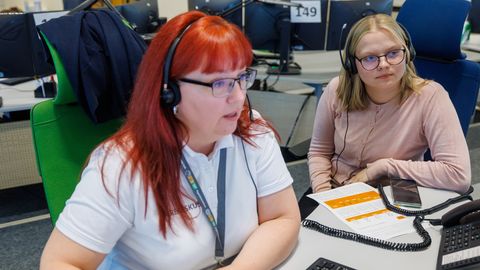
EstoniaWork never stops at the Northern emergency dispatch centre. Every minute can bring a new call, sometimes it's a concern about eye pain, sometimes a report that someone is attacking another person with a knife. Spending one evening sitting beside emergency dispatcher Kertu Kaarest makes clear that the number 112 conceals far more than most people imagine.
Nearly a million calls a year
Last year, the emergency line 112 received nearly 954,800 calls. Of answered calls, 65% were related to situations requiring ambulance, police, or rescue service deployment, or health problems that didn't require an emergency dispatch but did require telephone advice.
The figures are remarkable, on average, 112 receives more than 2,600 calls per day. Emergency dispatchers must assess in seconds what help a person needs and direct it quickly to the right unit.
"Given drugs", the night's most complex call
One early morning call comes from a mother who says someone has "given drugs" to her primary school-aged son at a party. Dispatcher Kaarest's face tenses; these calls demand a clear head and precise questioning. She must find out exactly what happened, when, what condition the child is in now, and where they are located.
Such situations illustrate well why an emergency dispatcher's job is far more complex than simply answering calls. Each call has its own context that must be understood quickly, because the wrong decision can cost a life.
Work that leaves its mark
Kertu Kaarest explains that a long shift at the emergency dispatch centre requires great mental resilience. Calls are not always dramatic; many are everyday concerns or misdials, but the serious ones stay with you.
The emergency dispatch centre operates around the clock. The Northern centre covers, among other areas, Tallinn and its surroundings, where a large part of Estonia's population lives. Emergency dispatchers must be proficient in both Estonian and Russian, as calls come in both languages.
By the end of the evening, it's clear: behind the number 112 are people who do work every day on which others' lives depend, and who do it often completely unnoticed.
Open in app →