Botanist Toomas Kukk: organic farming brings back wild plants to field edges
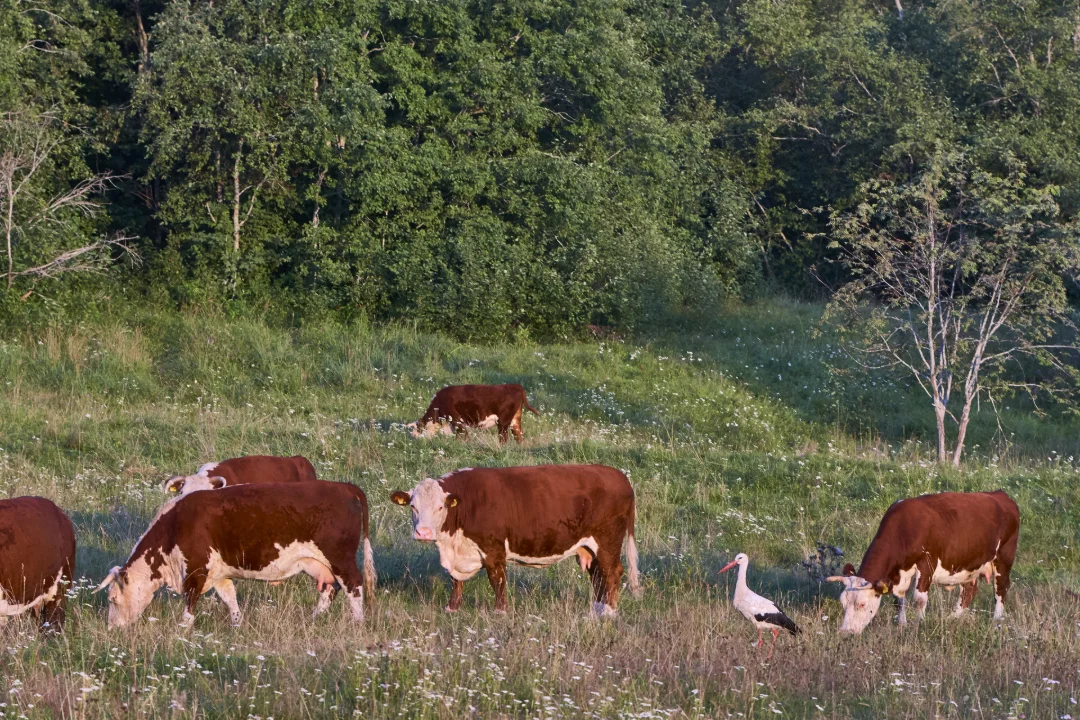
Botanist Toomas Kukk, who has tracked and mapped Estonia's vegetation for 35 years, notes that the spread of organic farming has brought back former field-edge weeds that had nearly disappeared. According to him, these plants do not significantly affect crop yields and do not justify the heavy use of herbicides to poison the fields.
EstoniaEstonian botanist Toomas Kukk, who has been observing and mapping changes to Estonia's vegetation for 35 years, has noticed an interesting phenomenon: with the spread of organic farming, plants that had nearly vanished are reappearing at field edges.
"While field weeds that once flourished at field edges disappeared at one point, they've started coming back with organic farming. And these native weeds of ours don't affect crop yields. In any case, they're not worth heavily poisoning the fields with herbicides," said Toomas Kukk.
Over decades, Kukk has personally witnessed both the decline and recovery of species. In his view, traditional field companions-plants that have grown alongside humans for millennia-are valuable parts of our natural diversity, not merely troublesome weeds.
The area of organic farming in Estonia has grown in recent years, meaning that synthetic pesticides and herbicides are being used on an ever-smaller portion of agricultural land. This has given many plant species the chance to gain a foothold again in field corners and edges. While farmers may view these plants as a problem, nature conservation botanists see this as a positive development.
Open in app →