Builder Allegedly Defrauds Customers, Leads to Arrest Claims
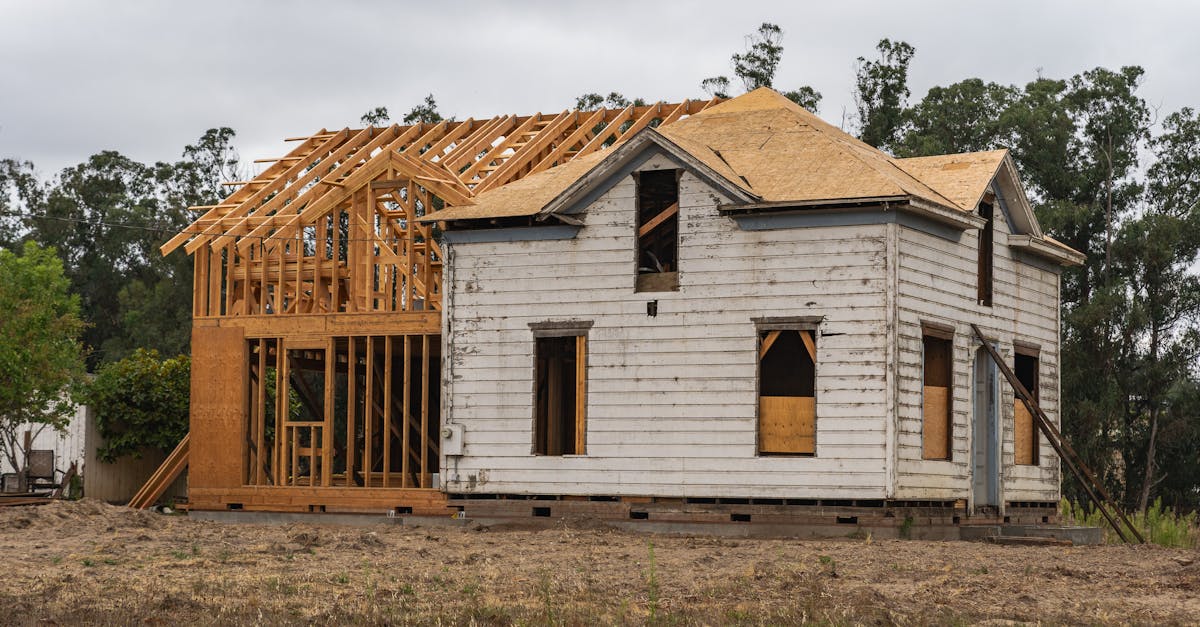
Multiple homeowners report losing substantial sums to a builder identified as Steve Figg, claiming the contractor left their properties incomplete while relationships suffered severe strain. The victims allege the builder then involved law enforcement against them.
PoliticsA pattern of alleged financial misconduct has emerged involving a builder accused of taking advance payments from customers without completing contracted work. The affected homeowners report paying significant sums, with one victim losing £44,000 to the contractor identified as Steve Figg. The financial losses have reportedly created serious consequences for the families involved, including relationship breakdowns and property disputes.
According to the victims' accounts, the builder allegedly abandoned multiple projects in various states of incompletion. Homeowners describe finding themselves unable to recover their investments or force project completion through conventional means. The situation allegedly escalated when the builder initiated legal action against the customers, resulting in arrests or legal proceedings against them rather than resolution of the construction disputes.
This case highlights vulnerabilities in consumer protection within the construction industry, where advance payments create significant financial exposure for homeowners. The alleged conduct represents a form of fraud that leaves families financially devastated while property improvements remain incomplete. The involvement of law enforcement against the paying customers rather than addressing the contractor's failure to deliver services compounds the alleged wrongdoing.
Victims have come forward publicly with their stories in an apparent effort to warn others and seek accountability. The multiple accounts suggest a potential pattern of similar incidents rather than isolated disputes. Construction industry experts often warn consumers about the risks of large upfront payments to unverified contractors, yet such arrangements remain common in residential building projects.
Open in app →