California's governance crisis: Why Democrats fear losing control
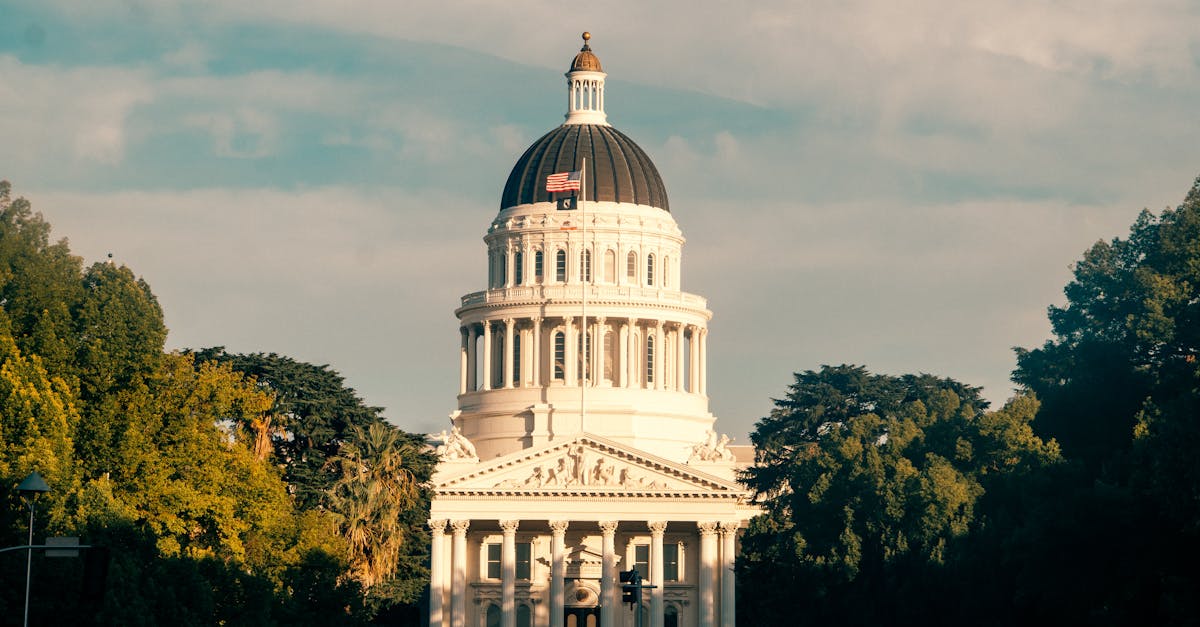
Democratic leaders in California are growing increasingly concerned about their party's ability to maintain political control in the state as challenges mount. The article examines governance difficulties facing America's most populous state and the political implications for the Democratic Party.
OpinionCalifornia, home to nearly 40 million residents and the world's fifth-largest economy, is facing mounting governance challenges that have sparked alarm among Democratic Party leadership. The concerns reflect broader anxieties about whether the party can effectively address the state's complex policy problems while maintaining its three-decade political dominance in what was once a Republican stronghold.
The Democratic Party has held commanding control over California's state legislature and governorship for years, but recent polling and political analysis suggest voter frustration is growing. Issues ranging from housing affordability to homelessness, government spending efficiency, and public services have become focal points of public dissatisfaction. These challenges threaten to erode the electoral coalition that has sustained Democratic majorities.
Governance difficulties in California extend beyond partisan politics. The state's budget complexities, infrastructure needs, and the coordination required between multiple levels of government have created friction. Some observers argue the state has become difficult to govern effectively, raising questions about whether current political leadership can deliver tangible results on the issues voters care about most.
For Democrats, the stakes are particularly high because California represents a critical component of national party strategy and fundraising. A significant shift in the state's political balance would have ripple effects throughout American politics. The party is now confronting the possibility that demographic and economic changes, combined with governance performance concerns, could reshape the state's political landscape in coming election cycles.
Open in app →