Canada Eyes Arctic Trade Route From Churchill to Europe
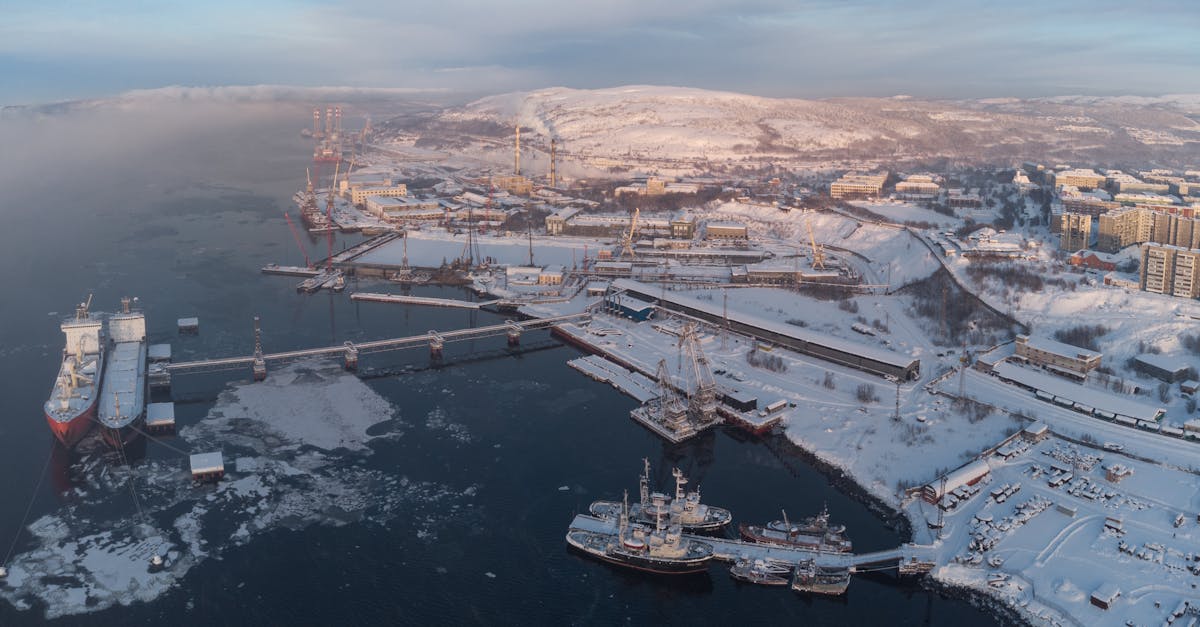
Canada is assessing the feasibility of establishing a year-round shipping corridor from Churchill, Manitoba, to Europe through the Arctic. The potential route could transform global trade patterns as climate change accelerates Arctic warming and opens new maritime pathways.
EconomyChurchill, Manitoba, known as the 'Polar Bear Capital' due to its Arctic location and wildlife, is emerging as a strategic hub for Canada's northern trade ambitions. The Canadian government is currently evaluating whether a permanent, year-round maritime route connecting Churchill to Europe through Arctic waters is economically and operationally viable. This initiative reflects growing recognition that climate-driven changes in polar ice coverage could fundamentally reshape international shipping patterns.
The Arctic route would significantly shorten transit times between North America and Europe compared to traditional southern shipping lanes. Currently, ships traveling between these regions must navigate either through the Panama Canal or around the southern tip of Africa, adding weeks to journey times and substantial costs. A Churchill-based Arctic corridor could bypass these lengthy detours entirely, positioning Canada as a crucial link in global trade infrastructure.
Climate change has been the primary driver accelerating Arctic ice melt, extending the navigation season and making previously impassable waters increasingly accessible. This environmental shift has prompted governments, shipping companies, and port authorities worldwide to reassess infrastructure investments in polar regions. Churchill's existing port facilities, while modest by global standards, provide a natural starting point for Canadian Arctic trade development.
The feasibility study encompasses multiple considerations: infrastructure requirements, regulatory frameworks for Arctic shipping, environmental protection measures, and economic projections. Canadian authorities must balance commercial opportunities against environmental concerns, as increased maritime traffic could impact Arctic ecosystems and indigenous communities in northern regions. If deemed viable, the route could position Churchill as a major international trade hub, transforming the local economy and Canada's role in global commerce.
The project reflects broader geopolitical interest in Arctic resources and shipping lanes. Russia, Norway, and other Arctic nations are similarly investing in northern infrastructure, recognizing that climate change is reshaping economic geography in the high north.
Open in app →