Cancer researchers: the greatest cancer risk is not smoking or alcohol, but ageing
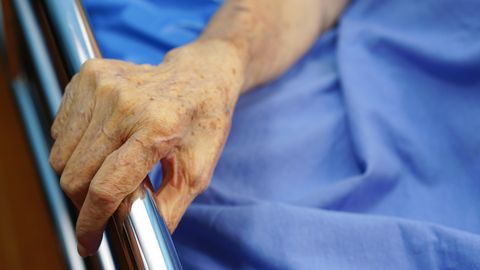
Although most people believe smoking, alcohol or sun exposure causes cancer, scientists say the actual greatest risk factor is ageing. As populations age rapidly, healthcare systems face pressure to adapt oncological treatment to the needs of elderly patients.
CultureWhen people are asked what causes cancer, smoking, alcohol and excessive sun exposure emerge as common answers. Yet reality is surprising: according to scientists, the greatest and also the most unavoidable cancer risk is ageing itself.
Why ageing is the main factor
Biologically, damage accumulates in cells with age, DNA repair mechanisms become less efficient, and the immune system can no longer effectively control abnormal cell division. This process creates fertile ground for cancer to develop, regardless of whether a person has ever smoked or consumed alcohol.
This does not mean that lifestyle has no importance. Smoking, alcohol and UV radiation significantly increase risk, and avoiding them remains sensible. However, even someone living healthily sees their cancer risk increase simply because they are ageing.
An ageing population places healthcare under strain
Rapid population ageing means that the number of cancer patients will inevitably grow. This confronts healthcare systems, including Estonia's, with the need to adapt oncological treatment specifically for elderly patients. Older people often have other chronic diseases, which make treatment more complex, and standard treatment protocols may not work as well for them as they do for younger patients.
The importance of geriatric oncology, the field specialising in cancer treatment for elderly patients, is growing. Doctors must consider not only the tumour but also the patient's overall health status, drug interactions and quality of life.
What this means for the future
Experts emphasise that at a societal level, investment is needed both in prevention and early detection, because the earlier cancer is found, the more effectively it can be treated. Improving access to screening programmes for older adults and developing geriatric oncology are steps that healthcare systems must actively pursue in the near future.
Open in app →