Chinese sculptor faces arrest over 15-year-old artwork
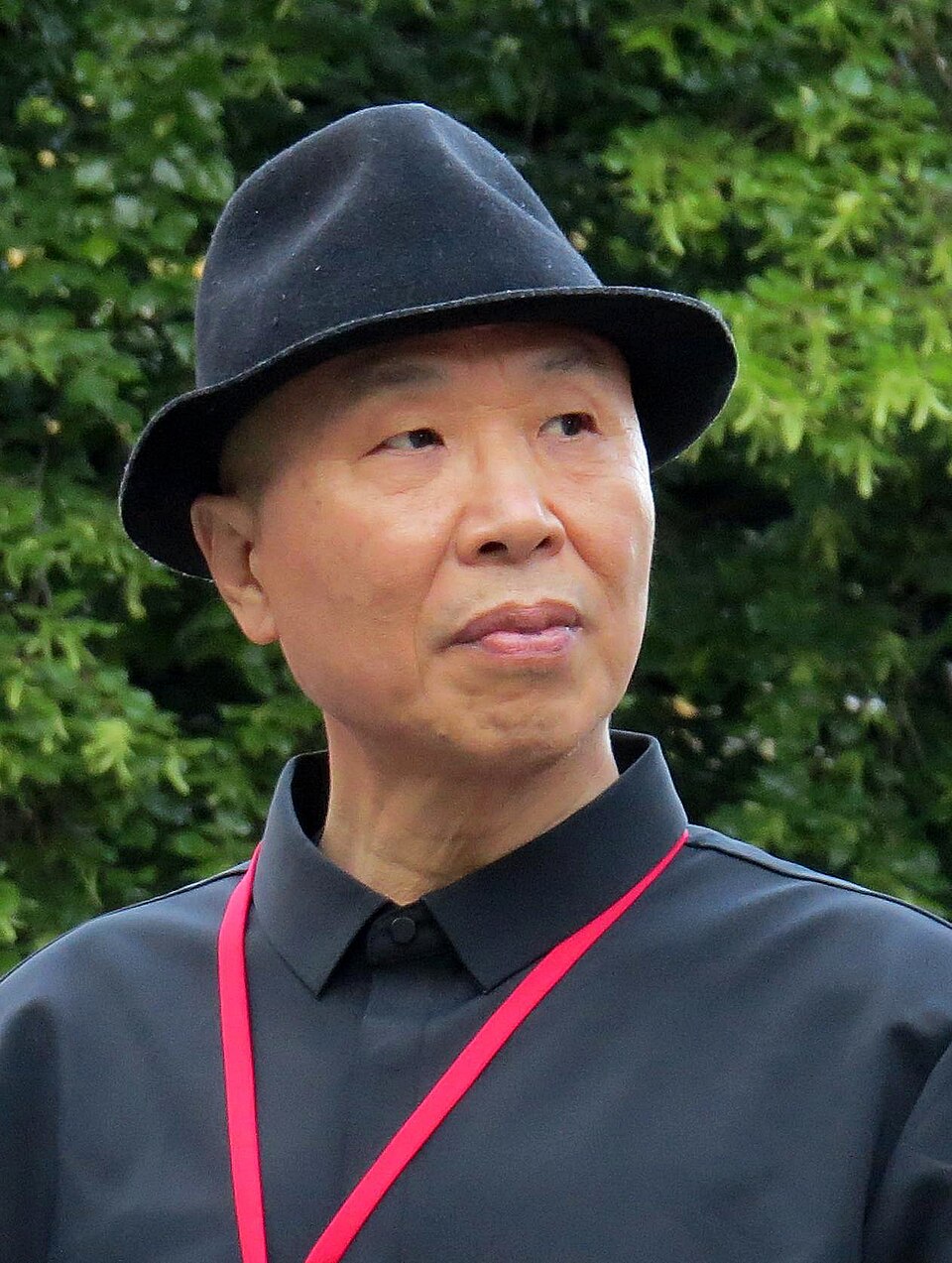
Chinese artist Gao Zhen has been arrested and faces retroactive prosecution for sculptures created 15 years ago, prompting international human rights organizations to sound alarms about censorship escalation in China. The case represents a significant shift in how authorities are handling artistic expression, prosecuting works created long before current restrictions were implemented.
PoliticsChinese sculptor Gao Zhen has become the subject of a high-profile arrest that critics say exemplifies the expanding scope of censorship in the country. The artist is facing legal action for artworks created approximately 15 years ago, raising serious questions about retroactive prosecution and artistic freedom.
The prosecution of works completed over a decade prior represents an alarming precedent, according to international human rights organizations monitoring the situation. Gao Zhen's case demonstrates how Chinese authorities are extending their reach backward through time to penalize artistic expression that was created before current restrictions were formally codified or enforced.
Human rights groups have expressed deep concern about the implications of retroactive punishment for creative work. The case suggests a pattern where the government may be redefining what constitutes unacceptable artistic expression and then applying these new standards to past creations, effectively criminalizing work that was previously permitted or overlooked.
This development fits into a broader context of tightening cultural controls in China, where authorities have increasingly scrutinized visual arts, literature, and other forms of creative expression. The prosecution of Gao Zhen signals a willingness to pursue artists based on standards that did not exist or were not actively enforced when the works in question were originally created.
The arrest has drawn international attention to China's approach to artistic freedom and raised questions about the legal predictability artists face when creating work in the country. Rights advocates argue that retroactive prosecution undermines basic principles of justice and creates a chilling effect on artistic communities.
Open in app →