Cinema Etiquette Crisis: When Phones and Loud Eating Ruin the Experience
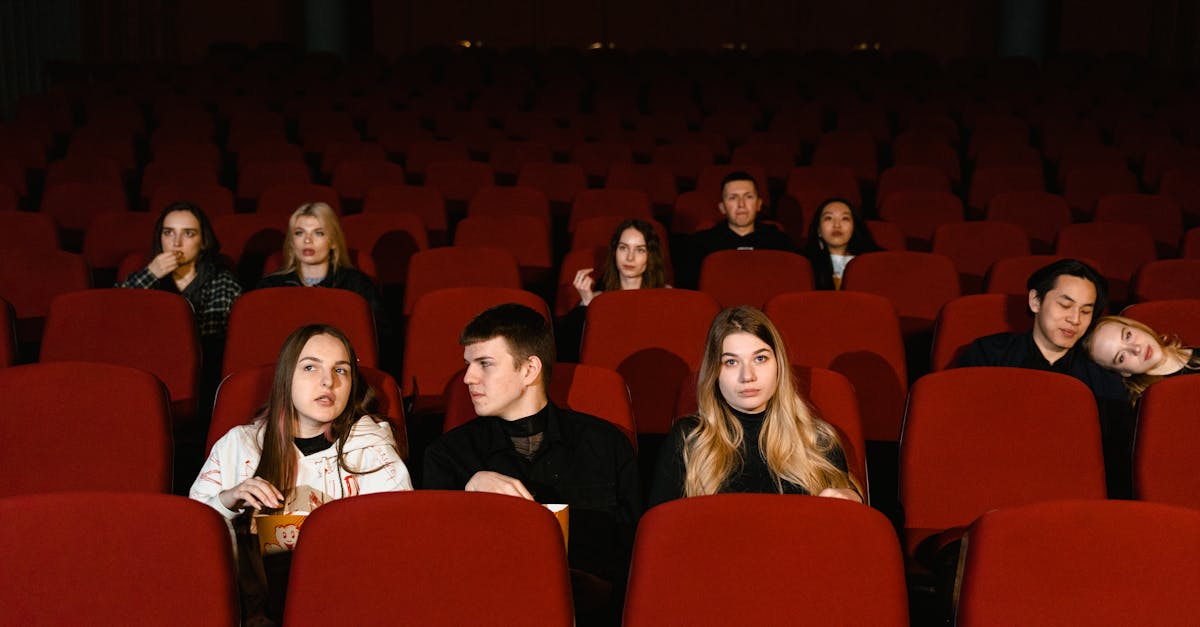
Movie-goers increasingly encounter disruptive behavior in cinemas, from loud eating and phone use to other inconsiderate actions. Despite repeated reminders from cinema staff, patrons continue to ignore basic courtesy guidelines that affect the viewing experience for others.
OpinionThe cinema experience has long been considered a cherished escape from daily life, offering audiences the chance to immerse themselves in storytelling on the big screen. Yet this traditional entertainment venue is facing an unexpected challenge: the erosion of basic social etiquette. Patrons engaged in loud eating, phone use, and other disruptive behaviors are becoming increasingly common occurrences, transforming what should be a shared cultural experience into a frustrating ordeal for fellow moviegoers.
The problem is not isolated to a single cinema or region. People across various locations report similar grievances about inconsiderate audience members who seem oblivious to-or indifferent to-the impact of their actions on others. From the crunch of snacks during quiet dramatic moments to the glow of smartphone screens during crucial plot points, these interruptions fragment the collective experience that cinema fundamentally depends upon.
What makes this issue particularly vexing is that cinema staff routinely issue reminders about proper conduct before screenings begin. Yet despite these periodic admonitions, disruptive behavior persists. This suggests that the problem extends beyond mere ignorance of expectations; it reflects a broader societal shift in how individuals view shared spaces and their responsibilities within them. The cinema, once a space where unwritten rules of conduct were commonly understood and respected, now requires explicit enforcement of basic courtesy.
The challenge facing cinema operators is complex. While they can establish and communicate rules, enforcing them during a film without disrupting other patrons presents practical difficulties. Some argue that the problem reflects wider cultural trends toward individualism and decreased consideration for public spaces. Others point to changing demographics and the fact that younger generations may not have been socialized into traditional cinema etiquette norms.
Ultimately, restoring cinema as a truly enjoyable shared experience will require not just better enforcement mechanisms, but a cultural shift in how patrons approach this communal entertainment space. Whether through renewed emphasis on etiquette education, stricter consequences for disruptive behavior, or designated "silent zones," the industry faces pressure to reclaim the cinema's role as a respectful gathering place for film enthusiasts.
Open in app →