Comedian Liisel Nelis Received 17-Minute Lecture Over LGBTQ Jokes
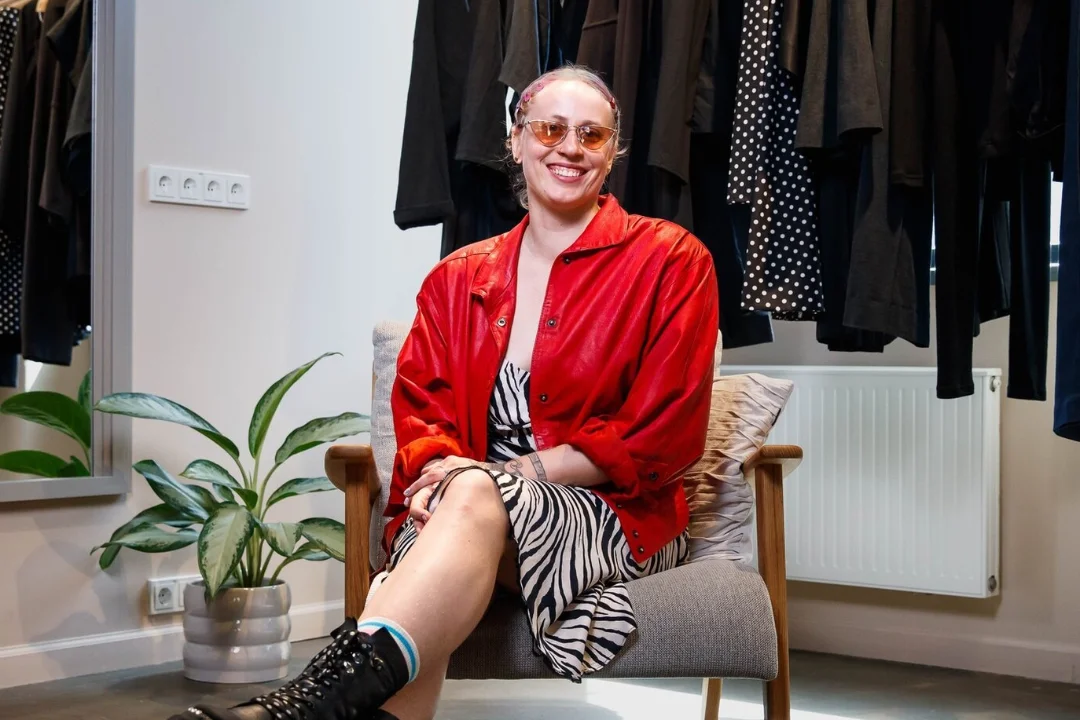
Stand-up comedian Liisel Nelis publicly shared an incident where an LGBTQ+ community leader called her after a performance and spent 17 minutes criticizing her material. The comedian maintains she supports the community but believes stand-up comedy should be able to joke about anything.
CultureEstonian stand-up comedian Liisel Nelis shared a candid story on the talk show "Breakfast with a Star" about a performance that unexpectedly drew sharp criticism from the LGBTQ+ community.
Nelis described performing at the Gong Show at D3 shortly after years of living abroad. Since she didn't have Estonian-language material prepared, she quickly wrote a set touching on trans and lesbian themes. There were up to 250 spectators in the audience, which gave the comedian severe stage fright-she said that in such situations her mind simply goes blank.
Out of the Closet or Back in It?
The critical moment came when Nelis asked the audience during crowdwork: "Where are my gays?" In response to one audience member's answer, she said something like "Back in the closet." According to the comedian, another punchline was supposed to follow, but stage fright caused her to forget it and move on.
After the performance, an LGBTQ+ community leader contacted Nelis and spent 17 minutes straight on the phone telling her what she thought of the comedian's jokes. "She said my jokes made her uncomfortable and that she didn't want me to come to Pride," Nelis recounted. This was despite the fact that she had already softened her set beforehand and removed the sharper material.
"Sorry, but Not Sorry"
Nelis admitted that on stage she said she was pansexual, adding honestly that the terminology confused even her. "Bisexual, pansexual, gay... there are so many of these terms and they're confusing for me. Sorry, but not sorry!" she said.
The comedian believes the LGBTQ+ community can sometimes be overly sensitive, drawing a parallel to the women's rights movement-though these historical experiences are painful, one shouldn't dwell on them forever. At the same time, she acknowledges that the line between joking and offense in stand-up is thin: "I've provoked, sure, but now I'm taking it a bit easier."
The comedian's core position remains clear: in stand-up, you should be able to joke about everything, including politics and social issues, because humour reflects what surrounds us.
Open in app →