Death Doulas: Reimagining End-of-Life Care
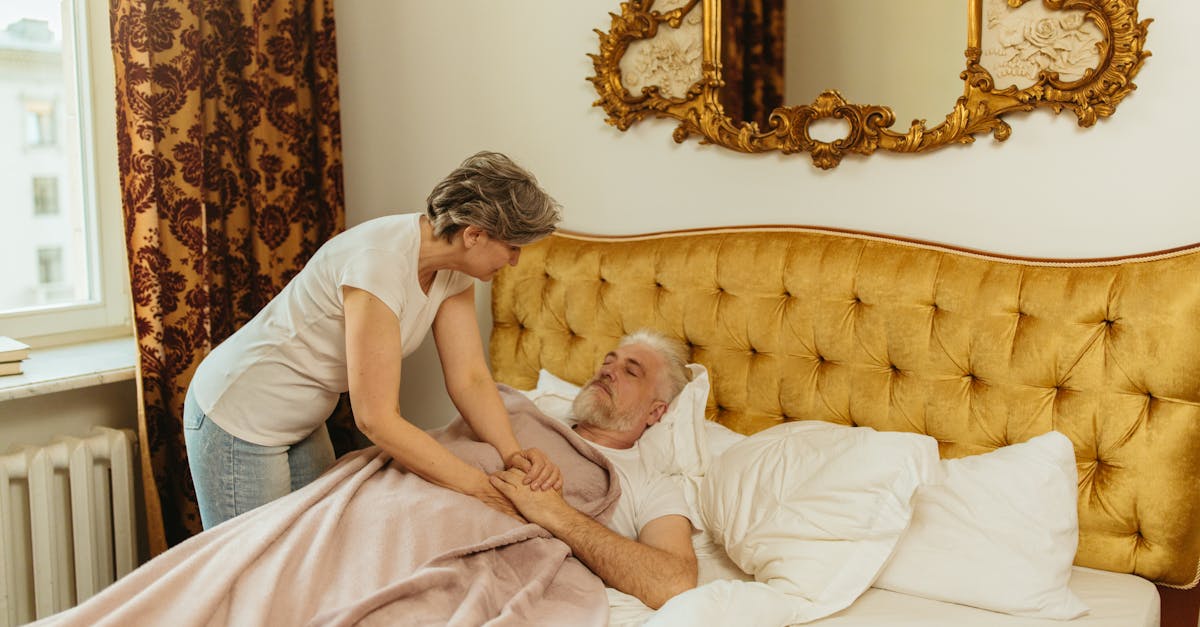
Death doulas, also known as soul midwives, are gaining recognition as end-of-life companions who support the dying and their families during the final stages of life. These professionals offer emotional, spiritual, and practical assistance, drawing parallels to traditional midwifery but at the opposite end of life's spectrum.
CultureThe role of death doulas represents a growing movement in how modern society approaches mortality and dying. These trained professionals, sometimes referred to as soul midwives, provide compassionate support to individuals facing terminal illness and their loved ones, filling gaps that traditional healthcare systems often leave unfilled. Unlike medical professionals, death doulas focus on the emotional, spiritual, and dignified aspects of the dying process rather than medical intervention.
Death doulas typically assist with practical matters such as creating comfortable environments for the dying, facilitating important conversations between family members, documenting final wishes, and providing continuous presence and comfort during the end-of-life journey. Their work encompasses helping individuals achieve a sense of peace, completion, and meaning as they approach death. This holistic approach recognizes that dying is not merely a medical event but a profound human experience that deserves attention to spiritual, emotional, and relational dimensions.
The rising popularity of death doulas reflects broader cultural shifts in how people view mortality. As societies become increasingly medicalized and death moves further from the home and family sphere, many individuals and families are seeking to reclaim agency and intimacy in how their loved ones die. This movement challenges conventional attitudes toward dying and encourages open dialogue about death as a natural part of life rather than a medical failure.
Training programs for death doulas have emerged in various countries, standardizing practices and establishing ethical guidelines for the profession. While not requiring medical credentials, many death doulas complete specific certification courses that cover grief support, communication techniques, and end-of-life planning. Their presence alongside healthcare providers, family members, and hospice teams creates a more comprehensive support network for the dying.
The expansion of death doula services signals a broader desire to create dignified, person-centered experiences at the end of life. By drawing parallels to birth doulas who support the beginning of life, death doulas represent a philosophy that both birth and death deserve dedicated, compassionate, and informed companions to guide individuals through these transformative transitions.
Open in app →