Declining Town Centers Spark Electoral Frustration in England
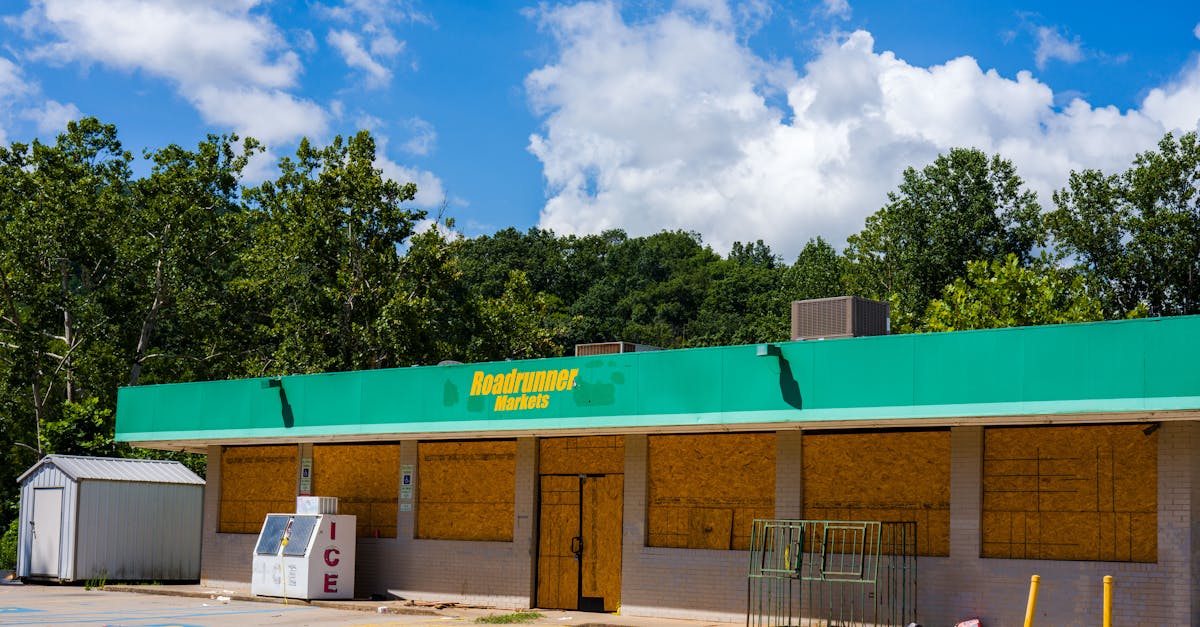
Deteriorating high streets across England are fueling voter discontent ahead of May's local council elections, reflecting broader concerns about economic neglect and government priorities. The decline of traditional shopping districts has become a symbol of regional inequality and political dissatisfaction among communities.
OpinionEnglish voters heading to the polls for local council elections in May face a landscape marked by struggling town centers and shuttered storefronts. The decline of high streets across the country has become more than a commercial issue-it represents a deeper sense of political abandonment felt by many communities, particularly in smaller towns and regions outside major metropolitan areas.
The deterioration of traditional shopping districts reflects years of structural economic changes, including the rise of online retail, changing consumer habits, and reduced investment in local infrastructure. Empty shops and abandoned businesses have become visible symbols of neglect, creating a tangible grievance that voters are likely to express at the ballot box in the upcoming council elections.
This sense of discontent extends beyond retail economics. Struggling high streets have become intertwined with broader concerns about regional inequality, lack of government support for local communities, and perceived failures of central planning. Voters in affected areas increasingly view their local economic struggles as emblematic of wider political failures and broken promises from elected officials.
As councils prepare for May's elections, the state of high streets could prove decisive in voter behavior. Communities experiencing visible decline are more likely to punish incumbent parties or vote for alternatives promising investment and rejuvenation of their town centers. The condition of a town's main shopping district has thus become a barometer of political sentiment and a flashpoint for electoral change.
Open in app →