Dental Hygienist Explains: How to Choose the Right Toothpaste from 6 Types
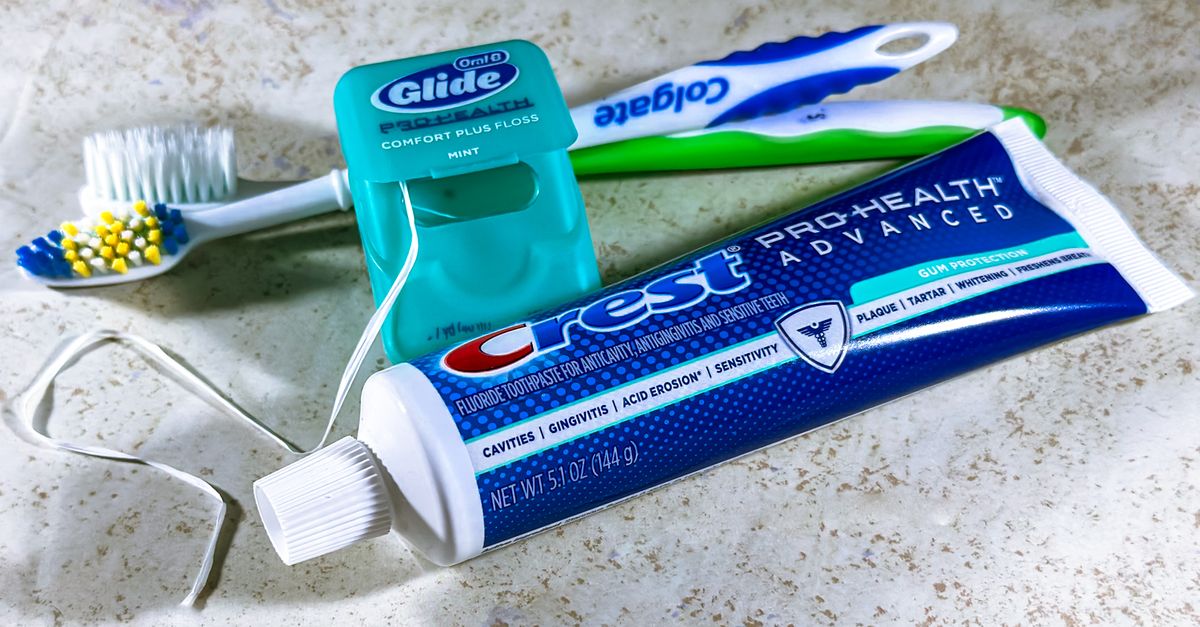
Pharmacy and shop shelves are filled with different toothpastes, all promising healthy mouths and bright smiles. A dental hygienist offers advice on the basics you should know to choose a toothpaste that suits your specific needs.
CultureWhen choosing toothpaste in a shop, the wide range of products can easily be confusing, as almost all promise bright teeth and a healthy mouth. However, different toothpastes actually have significantly different properties and purposes.
Dental hygienists recommend identifying your main oral care need before making a purchase. Is the problem sensitive teeth, yellowing, gum inflammation, cavity risk, or perhaps bad breath? The answer to this question largely determines what type of toothpaste you should look for.
Six Main Types of Toothpaste
There are primarily six types of toothpaste on the market. Fluoride toothpaste is the most common choice, helping to protect teeth against cavities, and suits most people for daily use. Whitening toothpaste contains abrasive substances or whitening chemical compounds that remove surface stains, but with prolonged use can wear down tooth enamel.
Sensitive teeth toothpaste contains substances that block the channels in the tooth and reduce pain sensations in response to heat, cold, or sweetness. Gum-protecting toothpaste, meanwhile, is aimed at those who suffer from gum inflammation or bleeding.
What to Look for on the Label
Natural toothpaste has become increasingly popular, but dental hygienists warn that not all natural products contain fluoride, which is indispensable in fighting cavities. Before switching to natural toothpaste, it's worth consulting with a dentist.
Children's toothpastes have lower fluoride content, which is adjusted for children's age; adult toothpaste should not be used for children. Dentist-recommended toothpastes typically have a clinically proven composition for addressing a specific problem.
Dental hygienists stress that a good toothpaste is always chosen according to individual need, not according to marketing messages. When in doubt, your best adviser is your dentist or dental hygienist.
Open in app →