Detroit officially exits bankruptcy after more than 11 years
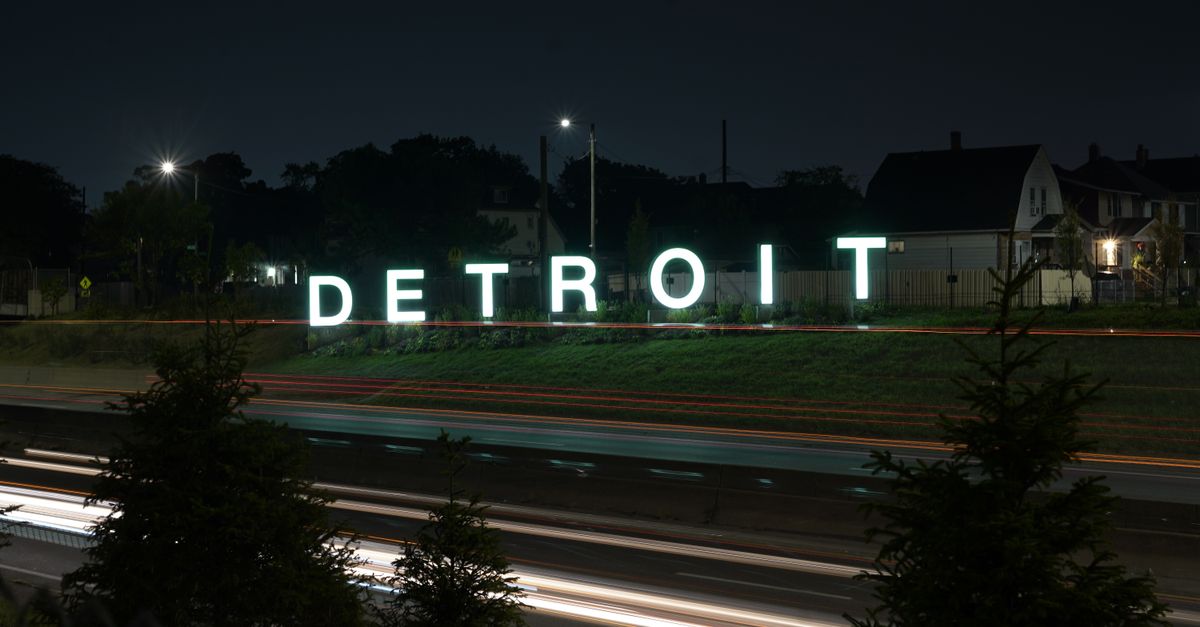
The city of Detroit, Michigan, has officially closed its historic bankruptcy case, more than 11 years after it emerged from court protection. The closure marks the final chapter of what was the largest municipal bankruptcy in US history.
MajandusDetroit, long known as the automotive capital of the United States, has officially exited bankruptcy, bringing a formal end to one of the most consequential municipal financial collapses in American history. The closure of the case comes more than 11 years after the city emerged from court protection.
Detroit filed for bankruptcy in July 2013, listing debts of around $18 billion — a staggering sum that made it the largest municipal bankruptcy case the United States had ever seen. The city had been struggling for decades with population decline, a shrinking tax base, and the deterioration of its once-dominant automotive industry.
The bankruptcy process forced painful negotiations with creditors, pensioners, and city unions, ultimately resulting in a restructuring plan that cut some pension benefits while preserving others. Iconic assets, including the Detroit Institute of Arts' collection, were at one point threatened with liquidation before a so-called "grand bargain" brokered by foundations and the state of Michigan protected them.
Since emerging from bankruptcy in December 2014, Detroit has shown signs of gradual recovery, with investment returning to parts of the city and population stabilising in some neighbourhoods. City officials have pointed to improved public services and balanced budgets as evidence of a turnaround.
The formal closure of the case is largely a procedural milestone, but it carries symbolic weight for a city that spent years synonymous with urban decline. For Detroit's residents, it represents the final closing of a painful chapter — and an opportunity to look forward.
Open in app →