Digital euro: Will Brussels monitor how Europeans spend their money?
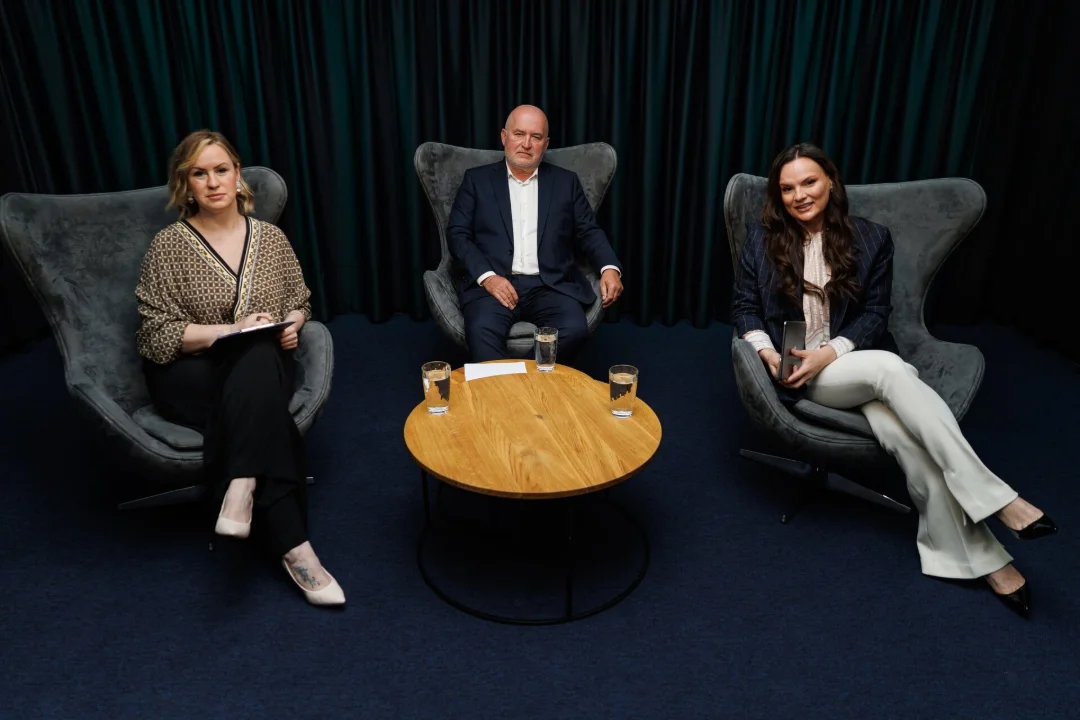
A new episode of ÕL TV's 'Väljast' examines the development of the European digital currency and its potential risks and benefits. The show also covers the anti-police riots in the UK following the murder of 18-year-old student Henry Nowak, and protests in Albania linked to development plans by Ivanka Trump and Jared Kushner.
TechnologyThe latest episode of ÕL TV's current affairs programme 'Väljast', hosted by Nele Kullerkupp and Teele Kaljuvee, takes a close look at one of the most debated financial projects in Europe today, the digital euro. The central question the hosts explore is whether a Brussels-controlled digital currency could give EU institutions unprecedented oversight into how ordinary citizens spend their money.
What is the digital euro?
The European Central Bank has been developing the digital euro as an official digital form of cash for the eurozone. Proponents argue it would modernise payments and provide an alternative to private tech giants dominating digital finance. Critics, however, warn that a centrally issued digital currency could become a tool for financial surveillance, allowing authorities to monitor, restrict, or even programme how money is used, raising serious privacy concerns across EU member states including Estonia.
UK riots and Albania protests
The episode also covers two other major international stories. In the United Kingdom, the murder of 18-year-old student Henry Nowak sparked widespread anti-police riots, with violent unrest spreading across multiple cities. The hosts examine how the tragedy escalated into broader social tensions and what it reveals about public trust in British law enforcement.
Finally, 'Väljast' turns to Albania, where citizens have taken to the streets to protest development plans tied to Ivanka Trump and her husband Jared Kushner. The couple's real estate ambitions in Albania's scenic natural landscapes have provoked a strong backlash from local communities and environmental groups who fear the projects could irreversibly damage the country's protected areas.
Open in app →