Divided by peace walls: communities face 20-minute journeys across barrier
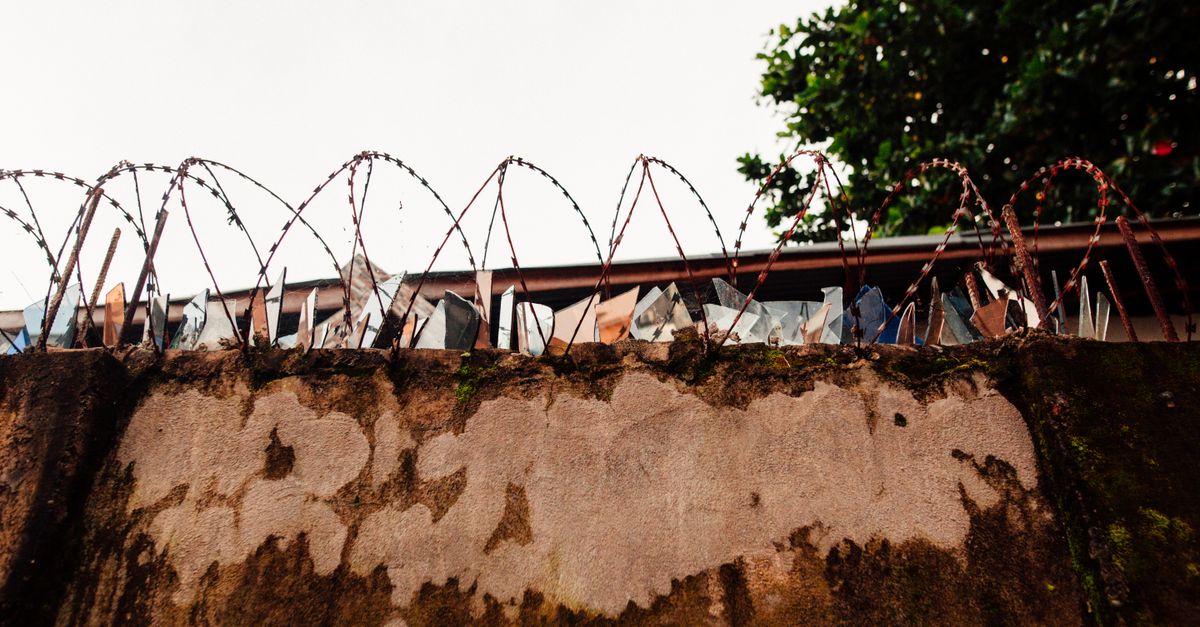
Residents living on opposite sides of a peaceline face significant barriers to community connection, with a psychological divide matching the physical obstacle. The separation, intended to maintain peace, has created unexpected hardships for neighboring populations seeking to maintain relationships and access services.
PoliticsCommunities separated by peacelines experience profound challenges in their daily lives, with physical barriers forcing residents into lengthy detours to reach neighbors who live just minutes away. What should be a two-minute walk becomes a twenty-minute journey when crossing from one side of the divide to the other, highlighting how peace infrastructure can paradoxically create isolation.
The psychological impact of living behind such barriers extends beyond inconvenience. Residents must navigate not only the physical obstacle but also the mental weight of being perceived as divided from their neighbors. These walls, erected to reduce violence and maintain order, have become symbols of separation that affect social bonds and community cohesion.
Access to basic services and social connections becomes complicated for those living on opposite sides of the divide. Family visits, business interactions, and shared community activities require significant time investment, discouraging the cross-community relationships that might otherwise help break down the psychological barriers. The infrastructure meant to protect has instead created new forms of disconnection.
These separation barriers raise questions about long-term community reconciliation and integration. While peacelines serve a security function, their psychological effects on residents suggest the need for broader strategies to address underlying tensions and rebuild trust between divided communities. The human cost of physical barriers extends far beyond their visible presence, affecting the daily reality of those who live within their shadows.
Open in app →