Doctoral thesis: Estonian schools underutilise the educational potential of museums
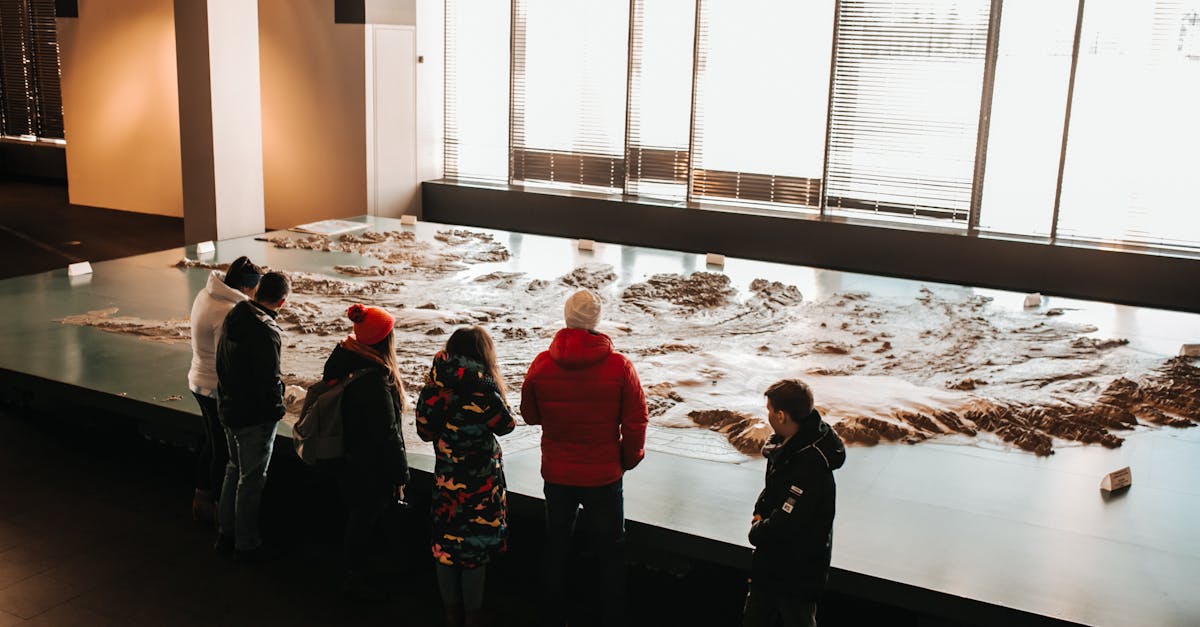
A new doctoral thesis reveals that the educational value of museum visits depends primarily on teachers and school culture rather than museum educators. Thousands of Estonian students participate in curriculum-linked museum programmes each year, yet the full potential of museum-based learning often goes untapped. The research suggests that properly utilised museum education could address gaps in Estonia's school system.
EestiThousands of Estonian students take part in museum education programmes linked to the national curriculum every year — yet a newly completed doctoral thesis argues that schools are failing to make the most of what these institutions have to offer.
The research found that the educational value of a museum visit is not primarily determined by the museum's own education staff. Instead, it hinges on the teacher who accompanies the class, the culture of the school itself, and how ready the school is to engage in meaningful cooperation with museums. In other words, the same museum programme can yield vastly different learning outcomes depending on who is leading the visit and how well the school has prepared for it.
## Museums can fill curriculum gaps
According to the thesis, museum learning — when properly integrated into school practice — has the capacity to address real gaps in Estonia's education system. Museums offer learning environments, objects, and experiences that classrooms simply cannot replicate, making them valuable partners for schools navigating a broad and demanding national curriculum.
However, realising that potential requires more than simply booking a guided tour. The research points to the need for deeper collaboration between schools and museums, with teachers taking an active role before, during, and after museum visits rather than treating them as standalone outings.
## Teacher's role is decisive
The findings place the responsibility squarely on schools: unless teachers are willing and equipped to connect museum experiences to classroom learning, the educational benefit of even well-designed museum programmes will remain limited. School leadership and institutional culture play an equally important role in determining whether museum partnerships are treated as a genuine pedagogical resource or merely as a break from routine.
Open in app →