Drink breaks at 2026 World Cup turned into ad breaks; Zahovaiko: "I don't dare think what football will look like in 20 years!"
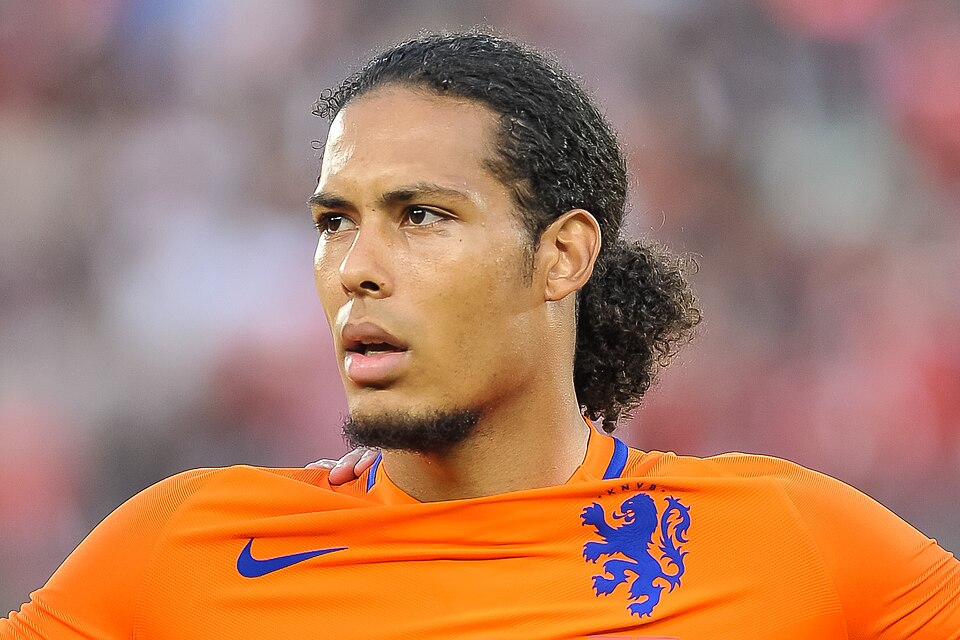
At the 2026 FIFA World Cup, traditional cooling breaks have essentially become equivalent to ad breaks, forcing players to spend up to three minutes on the sideline. Manager Jürgen Klopp called the innovation "a golden cage for sponsors", while Netherlands captain Virgil van Dijk said he dislikes it. Estonian football figures have also weighed in on the change.
SportAt the 2026 FIFA World Cup, rest breaks have generated more discussion than several match situations themselves. Match pauses, which FIFA officially introduced as cooling breaks, have quickly earned the nickname "ad minute", and there is good reason for it.
Three minutes on the sideline
In previous years, football players were allowed to drink water at the midpoint only if the air temperature exceeded 25 degrees, and even then it had to be done as quickly as possible. At this World Cup, the rules have changed: the thermometer is no longer checked and players can spend up to three minutes on the sideline. During this time, the convenient opportunity for displaying advertisements both on stadium screens and in broadcasts is not wasted.
The result is that some commentators and fans have begun saying that a football match no longer consists of two halves, but four quarters, similar to basketball or American football.
Klopp does not hide his displeasure
German coaching legend Jürgen Klopp has not concealed his opinion. "Junior officials sit in air-conditioned offices and hold football hostage," he said sharply. "These so-called 'cooling breaks' were sold to us under the guise of player welfare. In reality, it is nothing but a golden cage built for sponsors."
Netherlands captain Virgil van Dijk was equally candid after the opening match against Japan: "If we go watch ads every time, then this is not something I like. I think it is not a good idea for the neutral viewer either. If it is genuinely hot, then of course. But each situation should be treated separately, not the way it is at this World Cup."
What do Estonian experts say?
Estonian football figures, including squad player Zahovaiko and top club manager Zahovaiko, have offered their assessment of the change. According to Zahovaiko, the innovation causes him more concern in the longer perspective: "I don't dare think what football will look like in 20 years!"
The debate continues over whether this is a permanent change to the nature of football or a short-term experiment that should disappear as quickly as possible. From the perspective of marketers and sponsors, a three-minute break may be an attractive additional opportunity, but football enthusiasts fear that the sport's flow and dynamics will suffer.
Open in app →