Ecologist Mait Rungi: an insect can be a guest, a courier, livestock or a murderer to a plant
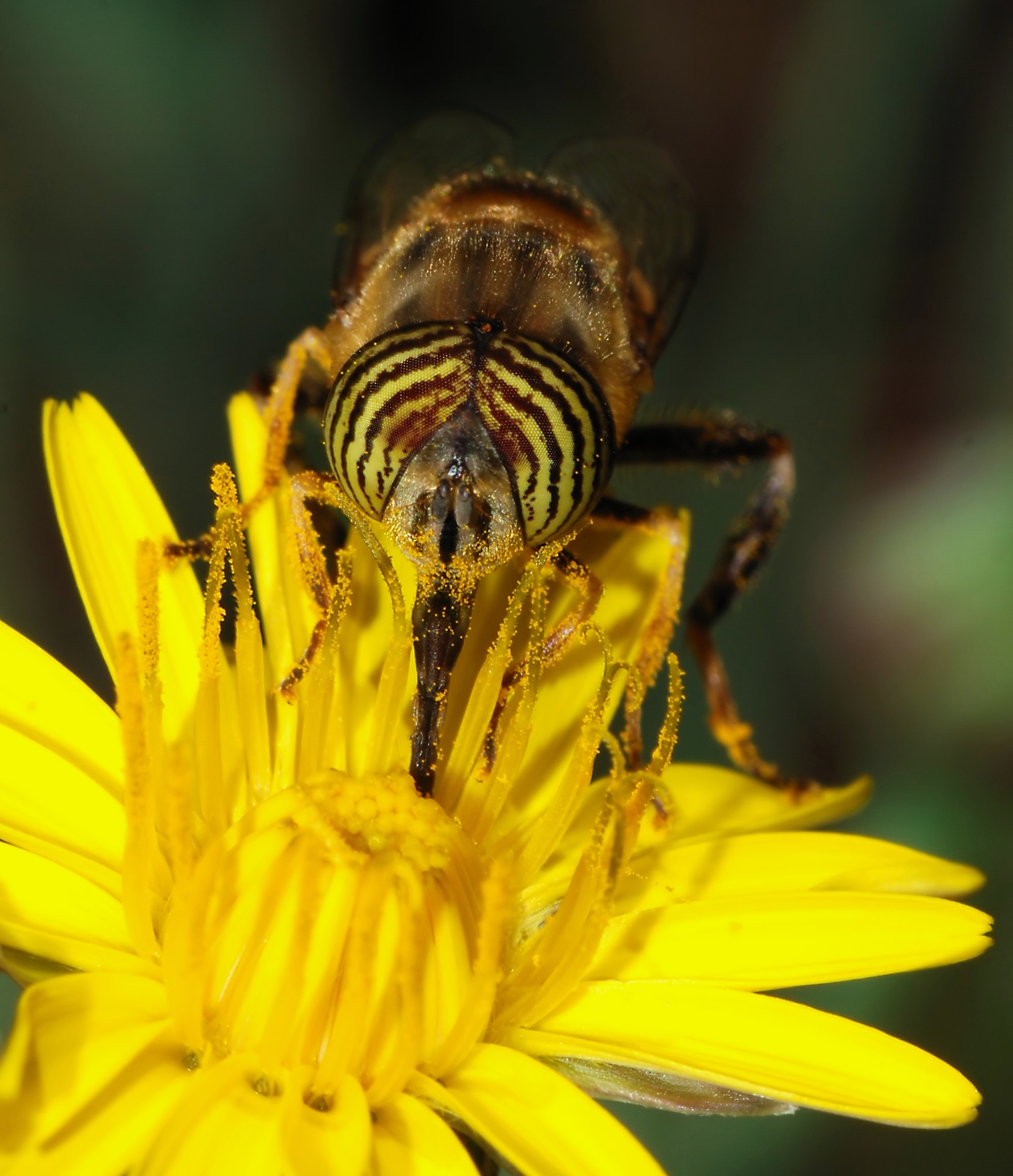
Ecologist Mait Rungi explains how plants, despite being stationary, cleverly exploit their surroundings by enlisting pollinators, seed dispersers and other helpers. A plant cannot seek out a pollinator, disperse its seeds further afield or chase away a pest, but it puts to work the wind, water, fungi and animals. Insects can play multiple roles for a plant-guest, courier, livestock or assassin.
OpinionA plant does not move from its place, but that does not mean it is passive. On the contrary, immobility forces plants to exploit their surroundings with extreme precision and creativity, writes ecologist Mait Rungi.
Plants need the help of others
A plant cannot go out to find a pollinator, transport its seeds further away, chase away a pest or decompose dead matter. To carry out all these tasks, it must call upon others: wind, water, fungi and animals.
Insects are particularly versatile partners in this regard. Depending on the situation and species, an insect can mean something completely different to a plant. It can be a guest that collects nectar from flowers, a courier that carries pollen from one plant to another, livestock whose movement the plant directs, or an assassin that lays its eggs in the plant's tissues and eats it from within.
The complex balance of coexistence
The relationship between plant and insect is never one-directional. Over the course of evolution, plants have developed many tricks to attract partners, offer rewards and, when necessary, repel pests. In some cases, the relationships are deeply symbiotic, with neither side able to survive without the other.
According to ecologist Rungi, it is precisely this complexity in the relationship between plants and insects that opens much broader perspectives on how nature works. By understanding what role each species plays in an ecosystem, we can better appreciate why biological diversity is so important, also for humans.
Open in app →