Economists Warn of Potential Financial Crisis with New Characteristics
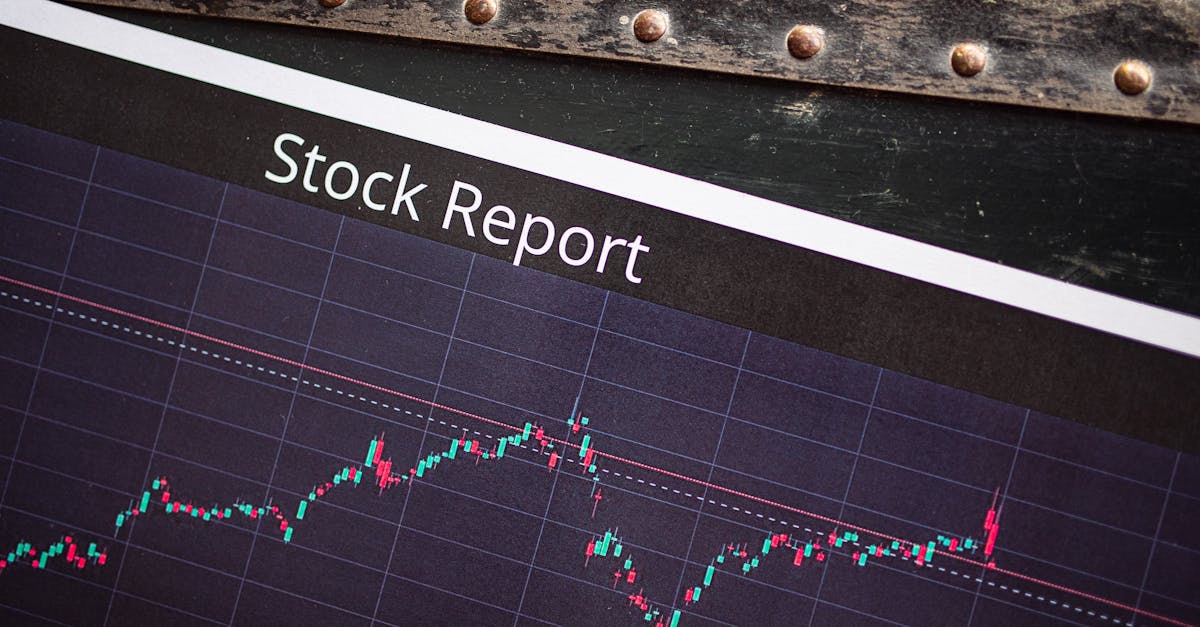
Financial experts are raising concerns about the possibility of another major economic downturn, though analysts suggest it would likely unfold differently than previous crises. The emerging risks stem from new market dynamics and structural changes in the global financial system.
EconomyAs global markets navigate uncertain economic conditions, financial analysts and economists are increasingly discussing the possibility of a future financial crisis, though with a crucial caveat: the next downturn may look markedly different from previous meltdowns, particularly the 2008 financial crisis that devastated economies worldwide.
Traditional warning signs that preceded earlier crises may no longer be reliable indicators in today's complex financial landscape. The 2008 crisis unfolded through the collapse of housing markets and subsequent banking failures, but contemporary financial systems have evolved in ways that could create entirely different vulnerabilities and trigger mechanisms.
Expert assessments point to several emerging risk factors in the modern economy, including the rapid growth of digital assets, interconnected global supply chains, unprecedented levels of government and corporate debt, and the increasing role of non-traditional financial institutions. These factors create new pressure points that could manifest in unforeseen ways, potentially bypassing safeguards designed to prevent traditional financial collapses.
While regulatory reforms implemented after 2008 have strengthened certain aspects of the financial system, gaps remain. The challenge facing policymakers and financial institutions is identifying and addressing vulnerabilities that may not mirror historical patterns. Financial stability requires continuous adaptation as markets evolve and new participants reshape traditional structures.
The consensus among analysts is that preparedness requires understanding that future crises may emerge from unexpected sources and follow different trajectories than past episodes, demanding fresh approaches to risk management and economic oversight.
Open in app →