Family benefits controversy undermines family confidence in Estonia
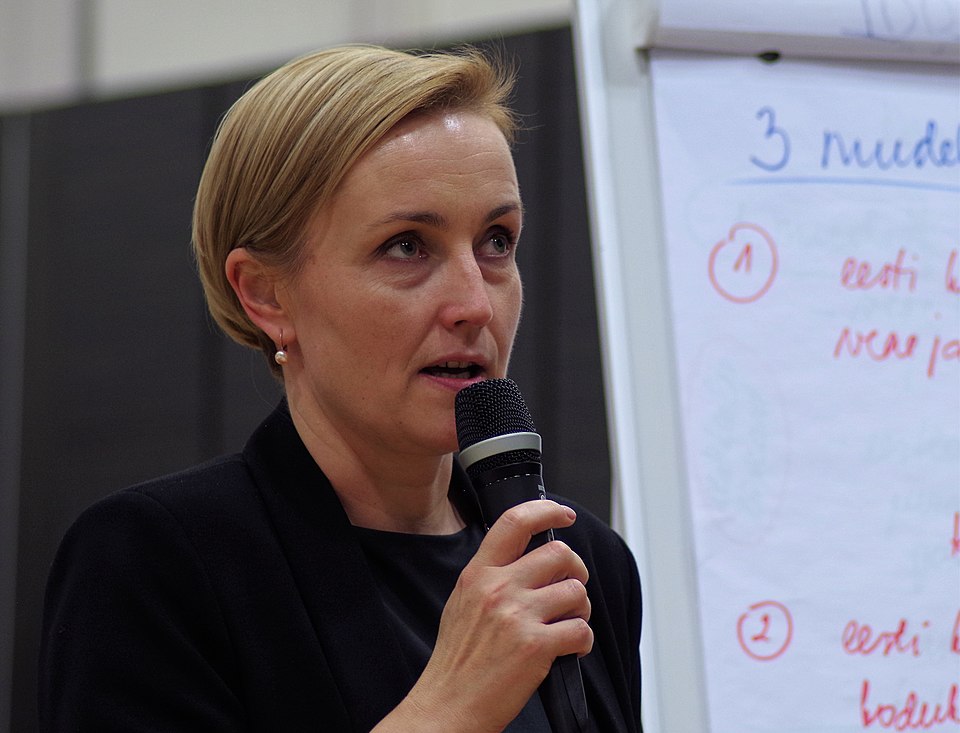
Estonia 200 leader and Education Minister Kristina Kallas sharply criticized a coalition partner's statement about making family benefits needs-based. Postimees argues that turning family benefits into a political dispute is harmful to both families and Estonia's already low birth rate. Demographers warn that the worst thing the state can do with family benefits is constantly redesign them.
OpinionEstonia 200 leader and Education Minister Kristina Kallas sharply criticized a coalition colleague's statement on family benefits, calling it embarrassing. According to Kallas, the coalition has agreed that benefits, including family and child benefits, should be made needs-based, and Estonia 200 does not intend to abandon this goal.
Government stumbled in 2023
The family benefits issue is not new in the coalition. Already in 2023, support for large families was reduced by €200, a decision that caught many families by surprise. Some families had begun to plan around the increased support and made long-term, family-related decisions based on it. The reduction in benefits stripped them of confidence that the state's promises could be trusted.
Demographers warn that the most harmful thing the state can do with family benefits is to constantly reshape them in ways that mean reduced support for some families. Family planning is a long-term process that requires equally long-term confidence.
Mere possibility diminishes confidence
Even if family benefits are not actually reduced, the mere possibility undermines people's willingness to plan children. If the future of benefits becomes a political dispute between coalition partners, that uncertainty will linger in the air persistently.
In a time of low birth rates, family confidence is an especially fragile and attention-demanding issue. Using family benefits as a tool in coalition infighting is the last thing families need right now.
The irony of savings
Postimees points to an ironic fact: Estonia 200's main concern is budget savings, but since the birth rate is already low, the sum spent on family benefits decreases automatically. Fewer children means automatically lower benefit costs for the state, savings occur without political decisions.
Therefore, the editorial asks: is it really necessary to encourage public anxiety and family uncertainty by raising an issue that only deepens an already troubling demographic situation?
Open in app →