The end of primary school has become the biggest life turning point for Estonian youth
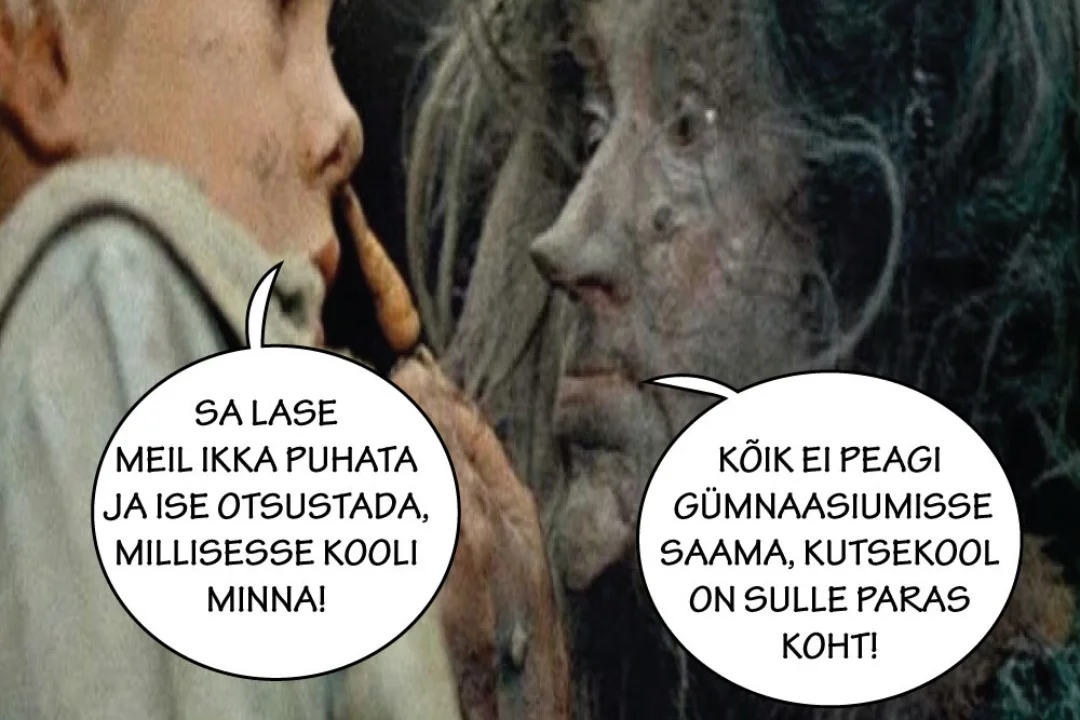
Estonian primary school graduates face a system where securing a school place is only confirmed by the end of August. Compulsory education now extends to age 18, but opportunities are not equal for all.
OpinionThis summer, thousands of Estonian young people finishing ninth grade step into an uncertain future, not only because of the summer heat but also because of uncertainty in the education system. Many of them will not know their fate for the next school year until the end of August, when the allocation of school places is finally resolved.
The Estonian state has decided to extend compulsory education to age 18, a decision made last year. This means that everyone must continue their studies, but the question is where and in which school. The system, which should guarantee every young person a safe educational path, currently leaves too many graduates in prolonged uncertainty.
The situation is paradoxical: the state requires young people to continue their education, but cannot ensure that every student knows their options early enough. Learning about a school place at the end of August leaves families with little time to adapt, plan, and if necessary, seek alternatives.
The education system's task should be to open doors, not create anxiety. If the end of primary school has become the most stressful moment in young people's lives, where future possibilities seem limited and information comes too late, then it is time to ask whether the system serves young people or lets them get ground in its gears.
Open in app →