Eero Merilind: Estonia's family doctor system is a success story, but the debate is on the wrong track
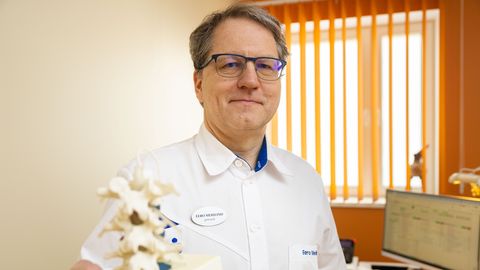
Eero Merilind, a member of the Riigikogu social affairs committee and family doctor from the Reform Party, believes public debate about the family doctor system has gone off course. Rather than focusing on reducing bureaucracy and giving doctors more time with patients, society is arguing over the ownership structure of family health centres. Merilind argues this is the wrong framing of the issue.
OpinionRiigikogu social affairs committee member and family doctor Eero Merilind (Reform Party) raises an important warning: public debate surrounding Estonia's family doctor system is heading in the wrong direction, and as a result, one of the country's truly successful health care reform outcomes may suffer.
The right question versus the wrong question
The starting point is Madis Veskimägi's recent opinion piece, which raises a substantive and justified question: how to ensure that family doctors have more time for treating patients and less bureaucracy and non-medical duties. Merilind fully agrees with this goal.
However, the problem is that public debate has quickly shifted to a different question entirely, whether family health centres should be privately owned or owned by the state and local authorities. Merilind argues this is the wrong framing of the issue, which diverts attention from the actual problems that need solving.
The family doctor system as a success story
Merilind stresses that Estonia's family doctor system has developed over the years into a true success story, a system worth preserving and developing, not dismantling through ideological disputes over ownership structures. The content of the family doctors' work and its quality are what determine the patient's health care experience, not who owns the property and institution on their balance sheet.
The ownership question is certainly typical of political debates and easy to understand, but it may not lead to better health care. According to Merilind, the real question should be: how do we free family doctors from bureaucratic constraints so they can do what they are trained to do, treat patients.
What actually needs solving
Estonian family doctors face growing administrative burden that consumes time that could be used for direct patient contact. The centre of debate should be placed on concrete questions: what reporting can be simplified, what tasks can be performed by other health care workers, and how can digital solutions reduce manual work.
Merilind calls on both politicians and the public to avoid oversimplifying ownership debates and to return to substance, how to make family doctors' work more meaningful and patient-centred. Estonia's health care future depends on whether we can ask the right questions.
Open in app →