England and Chelsea Star Millie Bright Retires After Storied Career
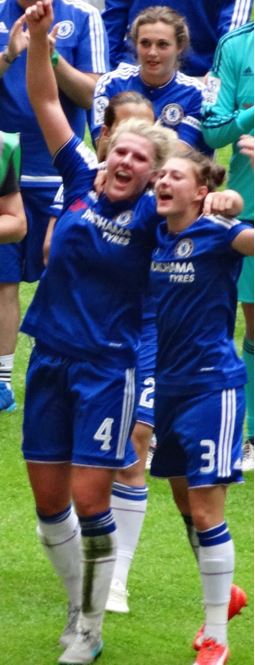
Former England and Chelsea captain Millie Bright has announced her retirement from professional football, opening up about personal challenges including abuse and her journey of self-discovery. The defender, who represented her country and club at the highest levels, spoke candidly about the toll the sport has taken on her mental health and personal well-being.
SportMillie Bright, the decorated defender who wore the armband for both England and Chelsea, has called time on her professional football career. In a candid interview with BBC Sport, the player reflected on her decision to step away from the sport that defined much of her adult life, revealing the personal struggles that accompanied her years of elite competition.
Bright's retirement marks the end of a distinguished tenure in women's football, where she became known for her leadership qualities and defensive prowess on the pitch. However, the announcement comes with serious revelations about her experiences off the field, including confronting issues of abuse that significantly impacted her mental state and sense of identity.
During her discussion with the BBC, Bright expressed that she had "lost herself" in the demanding world of professional sport. The psychological toll of balancing career pressures with personal trauma led her to prioritize her own recovery and well-being over continued athletic pursuits. Her willingness to speak openly about these challenges adds an important dimension to conversations about athlete mental health and the hidden struggles behind successful sporting careers.
The timing of Bright's retirement signals a broader moment of reflection for the player, who now focuses on rebuilding her sense of self outside the structured environment of professional football. Her decision underscores the reality that even the most accomplished athletes must sometimes step back from competition to address deeper personal needs.
As Bright moves forward, her openness about mental health and abuse may resonate with others in similar situations, potentially encouraging a wider conversation within sports about the psychological support available to elite performers.
Open in app →