Estonia aims to halve lung cancer diagnosis time with new pilot project
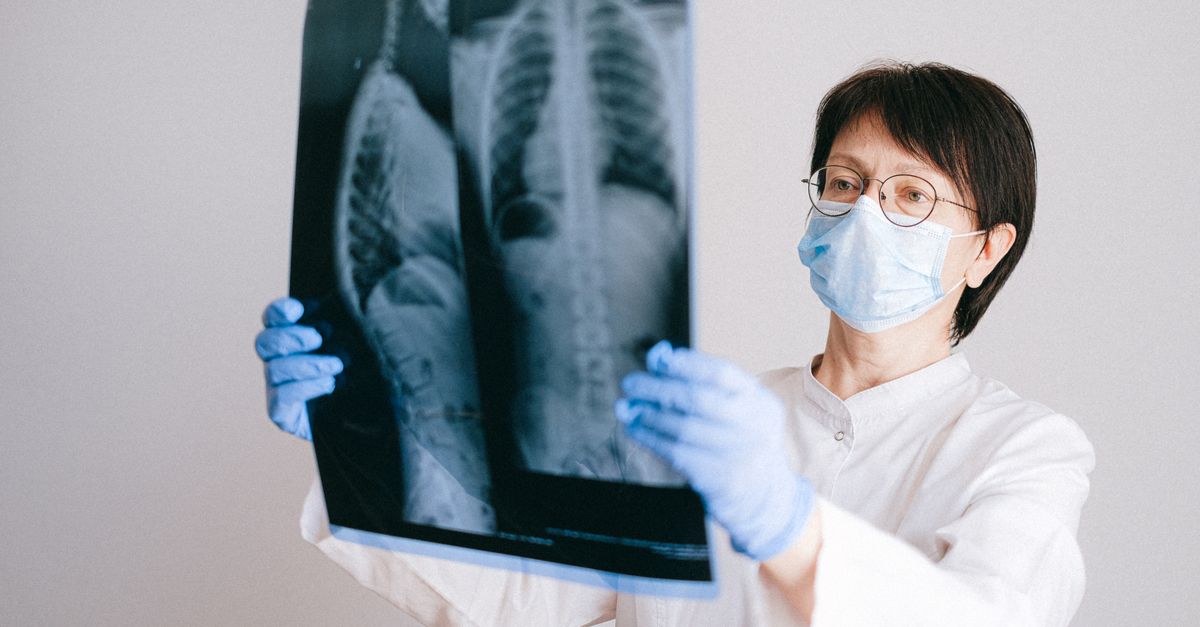
The Estonian Health Insurance Fund and Tartu University Hospital are launching a pilot project to cut the time from suspected lung cancer to confirmed diagnosis in half. The initiative aims to improve patient treatment outcomes across Estonia.
EestiEstonia's Health Insurance Fund and Tartu University Hospital have joined forces on a new pilot project targeting one of oncology's most time-sensitive challenges — cutting the lung cancer diagnosis timeline by 50 percent.
Currently, patients in Estonia face a lengthy wait between the moment lung cancer is first suspected and when a definitive diagnosis is reached. The new pilot aims to compress that period significantly, with medical specialists hopeful that faster diagnosis will translate directly into better survival rates and improved treatment outcomes for patients.
Tartu University Hospital, Estonia's largest and most comprehensive medical institution, will serve as the testing ground for the new diagnostic approach. The collaboration with the Health Insurance Fund signals strong institutional backing for the initiative, which could eventually be rolled out more broadly across the Estonian healthcare system if the pilot proves successful.
Lung cancer remains one of the deadliest forms of cancer globally, largely because it is frequently detected at a late stage when treatment options are more limited. Early and rapid diagnosis is widely regarded by oncologists as one of the most effective tools for improving patient prognosis, making projects like this one particularly significant for public health.
Should the pilot project deliver on its goals, Estonian health authorities may look to expand the model to other regions and potentially apply similar accelerated diagnostic frameworks to other cancer types.
Open in app →