Estonia may introduce medicine vending machines for both prescription and over-the-counter drugs
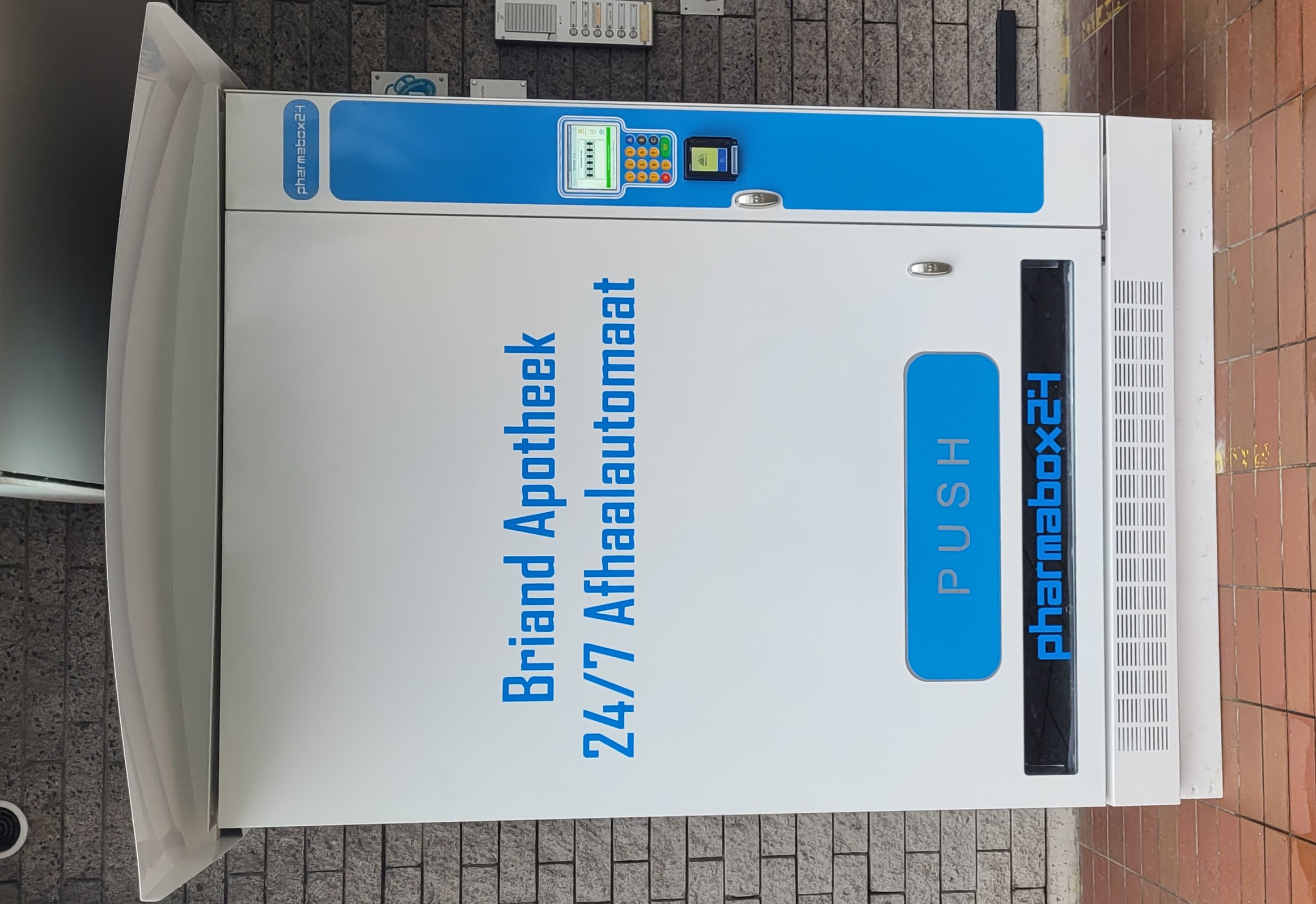
The Ministry of Social Affairs has sent a draft law to the consultation process that would allow the opening of self-service pharmacies-vending machines where people can buy both prescription and over-the-counter medicines. The idea has generated mixed opinions: politicians and pharmacists are divided. Feedback on the draft law is expected by 7 July.
EstoniaThe Ministry of Social Affairs has sent a draft law to the consultation process that would allow Estonia to open medicine vending machines, self-service pharmacies where people can buy both prescription medicines and over-the-counter preparations. The plan is controversial: it has both supporters and opponents.
Why are vending machines needed at all?
The background to the issue is specific: Estonia has regions where there is no pharmacy at all or it is open only during very limited hours. According to data from the Ministry of Social Affairs, patients at 60 primary care centres are without a pharmacy in their home area. To improve access to medicines, the ministry is proposing self-service vending machines.
According to the plan, a self-service pharmacy would be a structural unit of a regular pharmacy, consisting of a vending machine and the option to consult with a pharmacist via video call. If the region has fewer than 4,000 residents, the machine can be located either at the pharmacy's own address or at least one kilometre away from the nearest pharmacy.
Politicians disagree
Signe Riisalo, a former minister of social affairs from the Reform Party, considered the initiative successful. "In my view, this is a good solution. It significantly improves access to medicines both in terms of time and geographic coverage. Maintaining full-fledged pharmacies in many municipalities is very costly. Medicine vending machines allow people convenient access to medicines, and the system also includes the possibility of consulting with a pharmacist," Riisalo said. She added that although the initial cost of installing a machine is significant, the operating costs remain lower.
Riina Sikkut, a Social Democrat and also a former minister of social affairs, is sceptical. "Personally, I still do not see the need to replace pharmacists with machines. In small municipalities, it is especially important to maintain a pharmacy and a pharmacist who can provide professional advice. If there were really a great need for medicines at night, on-call pharmacies would operate, but there is no such demand," said Sikkut. She stressed that people usually have basic medicines in their home first aid kits to cope with everyday health concerns.
Pilot project in Rapla demonstrated viability
Pharmacists have repeatedly drawn attention to the fact that such equipment is expensive and the payback period is uncertain. In addition, attempts have been made in the past with mobile pharmacy and banking points, which are no longer heard of today.
However, a pilot project launched in Rapla in 2023 showed that the technical solution works and people use it willingly. The vending machine allowed people to buy over-the-counter medicines and, if desired, consult with a pharmacist via video connection.
The Ministry of Social Affairs expects feedback on the draft law by 7 July.
Open in app →