Estonian expert reframes German thinking on the Russian threat
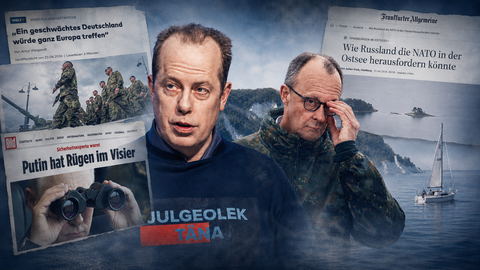
Security expert Erkki Koort has this year fundamentally changed how Germans understand the Russian military threat, bringing a new perspective to the security debate affecting Germany. Previously, Germans have been told that in the event of a NATO attack, border regions would suffer first – Narva, Hiiumaa, or the Suwałki Corridor. Editor Meelis Oidsalu outlines the new perspective Koort has introduced.
PoliticsEstonian security expert Erkki Koort has managed this year to initiate a new and significant security debate in Germany, one that fundamentally changes how Germans understand the nature of the Russian military threat.
The previous narrative at the borders
For years, a consensus has prevailed in Germany that a potential Russian attack on NATO would primarily affect the remote border regions of the alliance – residents of Narva in Estonia, people from Hiiumaa, and Lithuanians living near the Suwałki Corridor. In this picture, Germany itself has seemed distant and safe.
This particular view has shaped German attitudes towards defence spending and military readiness – the threat seemed abstract and geographically remote. This is precisely where Erkki Koort's approach represents a breakthrough: he has managed to explain to Germans that the Russian threat is by no means solely the problem of peoples living on the eastern border.
A new perspective on Germany
The debate initiated by Koort is making Germans think about how the broader security picture actually affects their own safety. The expert has added a perspective linking the security of the Baltic states directly to Germany's security interests – demonstrating that the loss of border territory means the weakening of the entire alliance.
Editor Meelis Oidsalu has compiled an overview of this new security debate affecting Germany, which Koort has initiated, offering from an Estonian viewpoint a significant contribution to Europe's broader defence policy thinking.
Open in app →